Insights on UK life, policy, energy & the Hong Kong diaspora
WooSee covers UK affairs from a Hongkonger’s perspective — immigration policy, energy markets, infrastructure, technology, and how British life intersects with the diaspora. New analysis published daily.
Topics
UK Affairs · Energy · Explainers · Science & Tech · Infrastructure · HK Affairs
-

Why the UK Needs to Admit 700,000 Immigrants Annually
nThe problem in the UK is not aging, but pretending to be young. Today, for every 100 people of working age, there are about 30 retirees to support; by 2045, this will rise to about 35. This is known as the old-age dependency ratio, meaning each worker bears a heavier burden. With a shrinking tax…
-

The Paradox of Capital Gains Tax in the UK: Too High and Too Low
nThe UK’s Capital Gains Tax (CGT) has long been criticized as “too low.” Critics argue that it is significantly lower than the combined burden of income tax and National Insurance (NI), thus favoring “unearned income.” Currently, the highest income tax rate is 45%, with employees contributing an additional 2% to NI, while employers bear about…
-

The Identity Conundrum: Why the UK Needs Digital ID Cards
nIn Hong Kong, identity cards are an integral part of life. Whether enrolling in school, opening a bank account, renting a property, or getting a job, this small card is indispensable. Its necessity is unquestioned. Across Europe, most countries have long established identity card systems and are progressively digitizing them. The UK, however, remains a…
-

Wetherspoon: The People’s Pub Philosophy in the UK
nIn the UK, whether in London, Manchester, Glasgow, or a remote small town, you can always find a Wetherspoon. This is the most iconic chain pub in the UK, humorously referred to by Hong Kongers as the ‘British Café de Coral.’ With affordable prices, simple meals, and a casual atmosphere, it has its own order.…
-

London’s Journey from Smog to Clean Air: Progress and Challenges
nThe term “Fog City” once symbolized London, but it was not a poetic mist; it was a toxic haze of coal smoke and exhaust fumes. In the winter of 1952, a temperature inversion trapped pollution, shrouding the city in a yellowish gloom. Within five days, thousands died from respiratory distress. This “Great Smog” finally awakened…
-
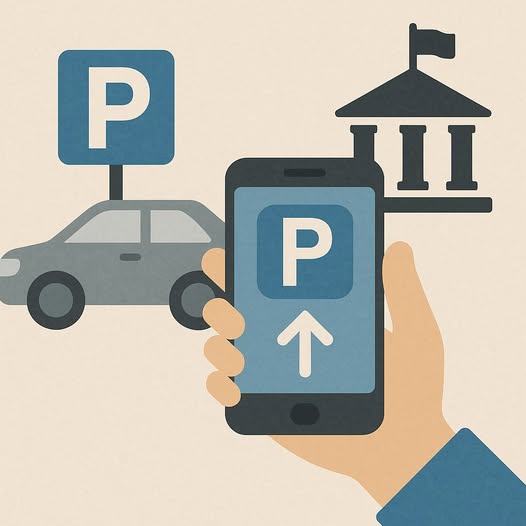
Parking Apps: Government Action Needed, Not Platform Overhaul
nThe UK’s Department for Transport has invested heavily in creating the ‘National Parking Platform’ to address the issue of drivers downloading too many parking apps. However, this initiative has not simplified matters; instead, it has made a straightforward public service unnecessarily complex. What drivers truly need is not a multi-layered interoperable system, but a government…
-

Beyond the ‘Small Boats’: Unveiling the UK’s Asylum System Gaps
nIn the UK, the term ‘small boats’ often stirs emotional reactions when discussing asylum issues, as if it were synonymous with a looming threat. However, the reality is far more complex than such slogans suggest. Since Brexit, the UK is no longer bound by the Dublin III Regulation, which allowed the transfer of asylum seekers…
-

The Absurdity of UK Council Tax: Lessons from Thatcher to Hong Kong
nThe UK’s Council Tax is a historical mistake born out of political chaos in the early 1990s. The system was introduced after Prime Minister Margaret Thatcher’s imposition of the Poll Tax, which sparked nationwide protests and riots. Her policy not only destroyed her own reputation but also led to the loss of a parliamentary seat…
-

Earned Settlement: Fair or Feasible, But Not Both
nThe concept of ‘earned settlement’ suggests that permanent residency can be exchanged for tax contributions, which sounds fair: the more taxes one pays, the more benefits one receives. However, upon closer examination of the UK’s tax system and public expenditure structure, this idea proves neither fair nor feasible. If only certain taxes are considered, the…
-

Reassessing Electric Vehicles: Data and Lifecycle Analysis Speak Volumes
nIn the UK, outdated perceptions of electric vehicles (EVs) persist: limited range, inconvenient charging, and high prices. While these views may have been valid a decade ago, they are now far removed from reality. Recent advancements in battery technology, increased charging network density, and revamped government subsidy policies have transformed the market landscape. Discussions about…