Infrastructure

The Invisible Upgrade: What the New Signalling System on the Tsuen Wan Line Means

Railways operate safely and efficiently not only because of tracks and trains, but because of signalling systems. A signalling system determines where each train is, how far apart trains must remain, and when trains are allowed to move or stop. If a railway is compared to the human body, the tracks are the skeleton, the trains are the muscles, and the signalling system is the nervous system. Without it, trains would have no way of knowing whether the track ahead is clear, and safe operation would be impossible.

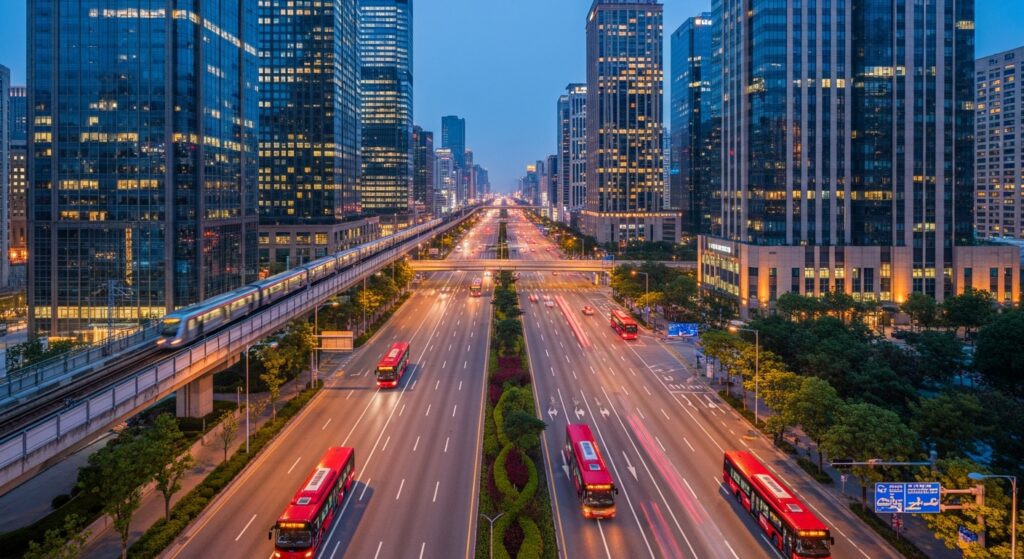
Hong Kong’s MTR Tsuen Wan Line recently introduced a new signalling system. For passengers, the trains look the same and the stations remain unchanged. Yet beneath the surface, the logic that governs how the line operates has been transformed. The objective of this upgrade is straightforward: to increase capacity and improve reliability.

The previous system on the Tsuen Wan Line used traditional block signalling. Under this approach, the track is divided into a series of fixed sections, and only one train is allowed in each section at any given time. If a train occupies the block ahead, the following train must wait. This design was the global standard for railways throughout much of the twentieth century. It is safe and proven, but it has a clear limitation. The distance between trains is determined by the length of each block, so trains must maintain a relatively large safety gap even when the train ahead has already travelled far down the line.

The new system uses Communications-Based Train Control, commonly known as CBTC. In this system, trains communicate continuously with the control centre through wireless links. The system can determine the precise location and speed of each train and calculate the safe distance between them in real time. Instead of relying on fixed sections of track, train separation is determined dynamically based on the actual position of trains.

This change may sound technical, but it has practical consequences for how the railway operates. When the distance between trains can be controlled more precisely, trains can run closer together while maintaining safety. On the Tsuen Wan Line, peak-hour headways were previously about 120 seconds, or roughly one train every two minutes. With CBTC, the headway could theoretically be reduced to around 100 to 110 seconds. The increase may appear modest, but for an already heavily used urban railway, even about ten per cent more capacity can make a meaningful difference.

The replacement of the signalling system is part of a long-planned infrastructure renewal programme. The previous system on the Tsuen Wan Line entered service in the 1990s and had been operating for nearly thirty years. Electronic equipment has a finite lifespan. Spare parts gradually become obsolete, maintenance becomes more difficult, and older systems struggle to support higher service frequencies. For these reasons, MTR began planning years ago to upgrade signalling across several urban lines, including the Tsuen Wan Line, Island Line and Kwun Tong Line. Because signalling is central to railway safety, such upgrades require extensive testing and careful phased implementation.

CBTC is not unique to Hong Kong. It has already become the dominant technology for modern metro systems. Many European cities, including Paris, London, Madrid and Copenhagen, have adopted similar communication-based signalling systems on parts of their networks. Some newly built or upgraded lines even support highly automated train operations. In this sense, MTR’s upgrade does not represent experimental technology but rather reflects the broader direction of urban rail development around the world.

For passengers, the new signalling system will remain largely invisible. Trains will continue to arrive and depart as usual, and the stations will look unchanged. Yet behind the scenes, the nervous system of the railway has been renewed. Urban railways carry millions of passengers each day, and the technologies that keep them moving are often hidden from view. The upgrade of the Tsuen Wan Line may appear to be a simple equipment replacement, but it is in fact a quiet step toward sustaining a denser and more resilient urban transport system.

Image Credit
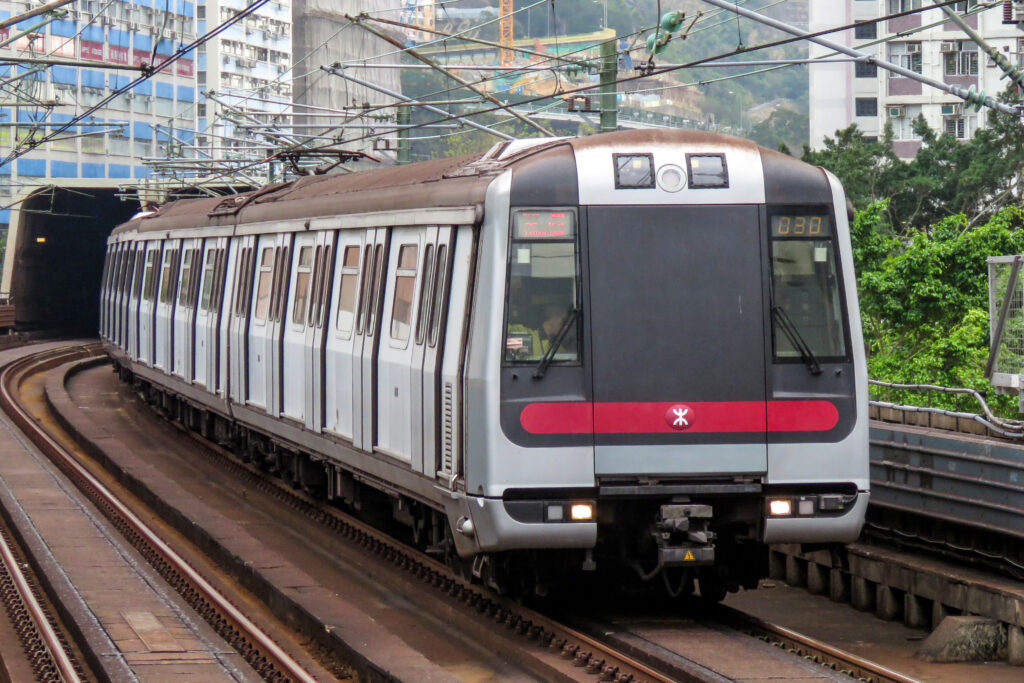
A164 entering Kwai Hing Station, Tsuen Wan Line
Photo: WiNG / Wikimedia Commons
License: Creative Commons Attribution-ShareAlike 4.0 (CC BY-SA 4.0)

The Invisible Upgrade: What the New Signalling System on the Tsuen Wan Line Means Read More »

The Engineer Who Built Victorian Britain

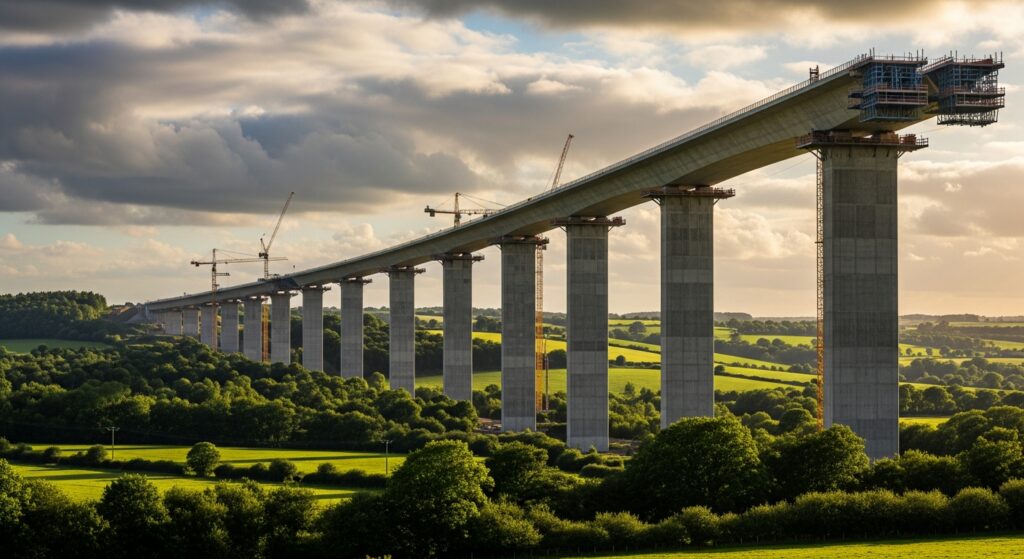
In the history of British engineering, few figures loom as large as Isambard Kingdom Brunel. During the height of the Industrial Revolution in the nineteenth century, railways, steamships and large infrastructure projects were transforming the country. Brunel was among the engineers who pushed these technologies to their limits. The railways, bridges and ships he designed did more than move people and goods. They reshaped Britain’s geography and connected regions in ways previously unimaginable.

Brunel was born in Portsmouth in 1806. His family background itself reflected the upheavals of the age. His father, Marc Isambard Brunel, was originally from France and left the country after the turmoil of the French Revolution in 1789. He first moved to the United States and later settled in Britain. The elder Brunel eventually built a successful engineering career and was knighted for his work. Isambard Kingdom Brunel was therefore British by birth, yet also the son of a refugee.

One of the earliest projects Brunel worked on with his father was the Thames Tunnel. This was the first successful tunnel ever built beneath a navigable river. Construction was extremely hazardous. Floods repeatedly burst into the works and Brunel himself was injured in one of the accidents. The experience exposed him early to the risks and complexities of large infrastructure projects.

Brunel’s reputation truly grew in the 1830s with the construction of the Great Western Railway. This railway connected London with Bristol and was one of the most ambitious transport projects of its time. Brunel adopted a broader track gauge than most railways of the period and designed the route with gentle curves and gradients in order to allow faster and smoother travel. Many critics initially considered these ideas impractical, yet they demonstrated Brunel’s deep understanding of railway engineering.

Brunel also designed several groundbreaking steamships, including the SS Great Western, SS Great Britain and SS Great Eastern. The SS Great Britain was the world’s first large iron-hulled, propeller-driven ocean liner. Today the ship is preserved in Bristol and has become one of the city’s most popular tourist attractions. Nearby, the M Shed museum presents exhibitions on Bristol’s industrial history and Brunel’s role in shaping it.

One of Brunel’s most iconic structures in Britain is the Clifton Suspension Bridge in Bristol. Spanning the Avon Gorge, the bridge combines elegance with daring engineering. Although it was completed after Brunel’s death, the design was entirely his. Today the bridge remains one of Britain’s most recognisable landmarks, and a visitor centre beside it explains the history and engineering behind its construction.

Beyond these famous projects, Brunel worked on a wide range of infrastructure. He oversaw the construction of numerous railway bridges and tunnels, including Box Tunnel through the hills of Wiltshire. He also designed harbour works and dock facilities and contributed to improvements in Bristol’s floating harbour, enabling large vessels to dock safely. These projects may be less dramatic than giant ships or suspension bridges, yet they formed the backbone of Britain’s railway and port networks.

Brunel also experimented with new railway technologies. One example was the South Devon Atmospheric Railway, which used air pressure rather than steam locomotives to move trains. The system proved impractical and was abandoned after about a year. Some modern commentators occasionally compare the concept with ideas such as vacuum trains or Hyperloop. The technologies are not the same, yet the comparison illustrates how Brunel was willing to explore unconventional solutions.

Brunel died in 1859 at the age of fifty-three. Looking back at the nineteenth century, many of his ideas appeared bold, even excessive. Yet it was precisely this boldness that made him one of the greatest engineers in British history. Victorian Britain was a nation that built. Railways crossed valleys, bridges spanned gorges and giant steamships travelled across oceans. Engineering was not merely technical work but an expression of confidence in the future.

Seen from today’s perspective, that era invites a certain reflection. Britain was once a country known for building, and engineers like Brunel symbolised that spirit. Today large infrastructure projects often take decades and the scale of ambition seems smaller than before. Perhaps what deserves to be remembered most is not only Brunel’s engineering works, but the confidence to imagine and to build on a grand scale.

The Engineer Who Built Victorian Britain Read More »

The Invisible Mega-Project: Why London Spent £4.5 Billion on a New Underground Sewer

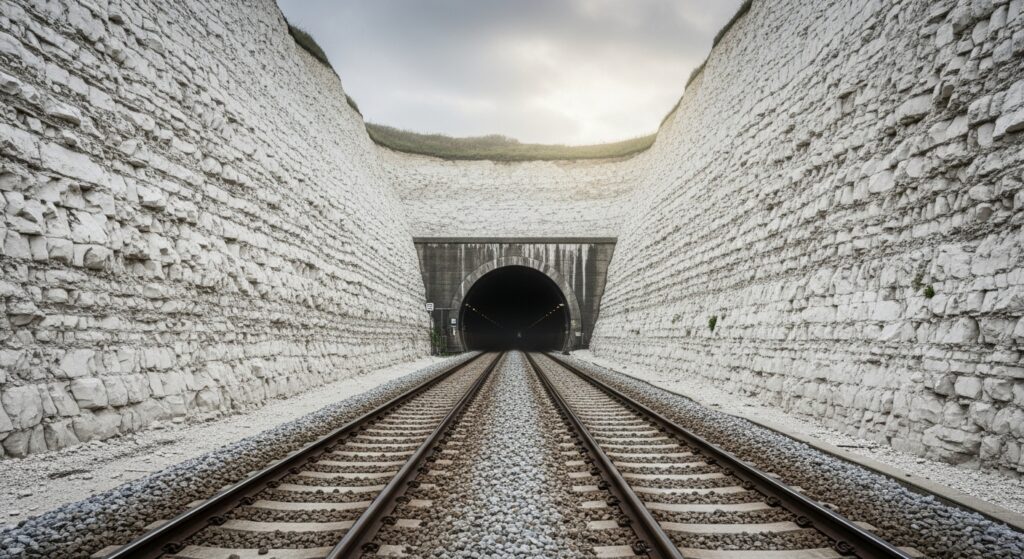
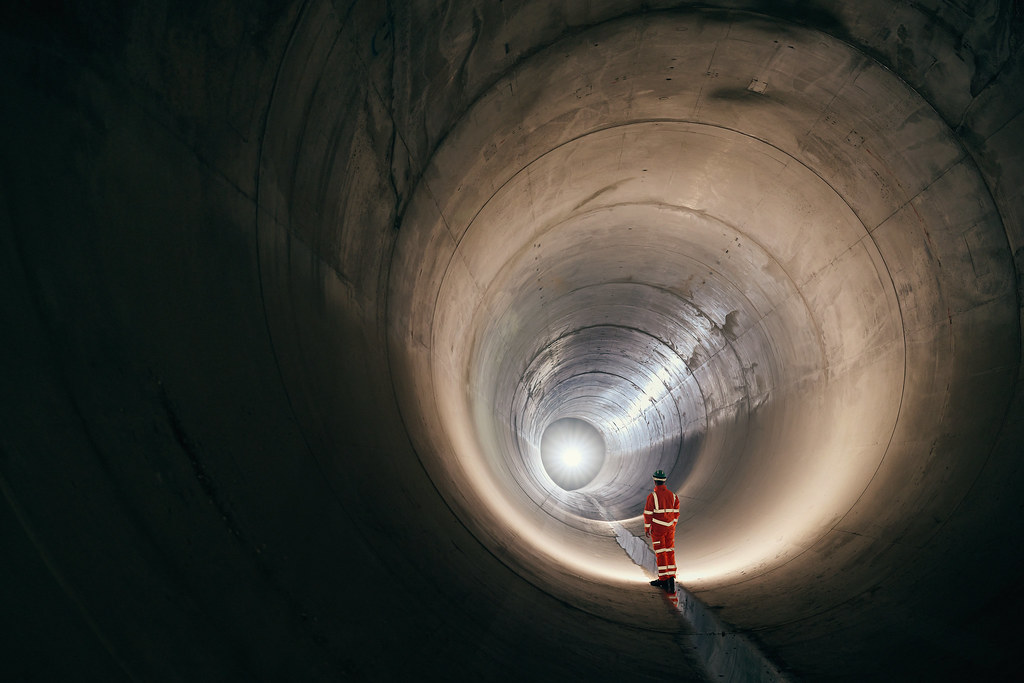
Beneath the River Thames runs a tunnel stretching about 25 kilometres. Most people will never see it, yet this tunnel now captures large volumes of sewage that would otherwise spill into the river. Known as the Tideway Tunnel, it runs beneath the river from Acton in west London to Abbey Mills in east London, before directing flows to the Beckton sewage treatment works. The project cost about £4.5 billion and has often been described as London’s “super sewer”.

To understand why this tunnel is needed, it helps to look at London’s original sewer system. Much of the city’s main sewer network was built in the nineteenth century during the Victorian era, designed by the engineer Joseph Bazalgette. At the time London was struggling with repeated cholera outbreaks and severe river pollution. Bazalgette’s system was a remarkable engineering achievement, carrying sewage away from the city to downstream discharge points. However, the system was designed for a city of roughly three million people.

Today Greater London has more than nine million residents, far beyond the capacity the original system was built for. More importantly, much of the Victorian drainage system uses what engineers call a combined sewer system. In this design, rainwater and wastewater share the same pipes. Under normal conditions, sewage from homes and businesses flows through the sewers to treatment plants such as Beckton in east London, where it is treated before being released back into the river.

The problem arises during heavy rain. When large volumes of stormwater rush into the sewers, flows can increase dramatically within a short period of time. If all of this water were forced toward treatment plants, pipes and pumping stations could become overwhelmed. In extreme cases, sewage could even back up into streets or buildings. To prevent this, the system includes overflow outlets along the river. When water levels rise too high, some of the mixed stormwater and sewage is discharged directly into the Thames. This mechanism is known as a Combined Sewer Overflow.

In the nineteenth century this was a sensible safety feature. But in a modern city with a much larger population and extensive paved surfaces, these overflows occur far more frequently. Before the construction of the Tideway Tunnel, there were dozens of overflow points along the Thames. During heavy rainfall events, large quantities of untreated wastewater could enter the river.

The engineering logic behind the Tideway Tunnel can be understood in three steps: interception, storage and treatment. Instead of allowing overflow pipes to discharge into the Thames, many of them are now connected to the new tunnel system. When the existing sewer network reaches capacity during heavy rain, excess flows are diverted into the Tideway Tunnel rather than into the river.

The tunnel itself acts as a vast underground storage reservoir. The system can hold about 1.6 million cubic metres of water, roughly equivalent to around 640 Olympic-sized swimming pools. During storms, the excess wastewater is temporarily stored inside the tunnel. Once the rainfall subsides and treatment plants regain spare capacity, the stored sewage is gradually pumped to Beckton for treatment.

The design also takes advantage of gravity. The tunnel slopes gradually from west to east, starting at depths of around 30 metres in west London and reaching more than 60 metres in parts of east London. This allows wastewater to flow naturally toward the lower end of the system before being pumped onward to the treatment works.

Construction began in 2016. Tunnel boring started in 2018, and the main tunnelling works were completed in 2022. The following years were spent connecting the new tunnel to existing infrastructure and testing the system. The full network became operational in February 2025, and the project was officially opened on 7 May 2025 by King Charles III.

The completed system is designed to reduce sewage overflows into the Thames by about 95 percent. For a river once described in the 1950s as “biologically dead”, this marks another important step in its long recovery.

The tunnel itself will never become a landmark. Most Londoners will never see it. Yet cities depend on precisely this kind of invisible infrastructure. Roads, power grids and water systems quietly support daily life without drawing attention. Tideway Tunnel sits deep underground, out of sight, but the improvement in river water quality will be visible and tangible. Residents walking along the riverbanks, and visitors coming to London, will gradually experience a cleaner Thames thanks to this unseen piece of engineering.

The Invisible Mega-Project: Why London Spent £4.5 Billion on a New Underground Sewer Read More »

Europe’s Energy Destiny: Why Fossil Fuel Self-Sufficiency Is Impossible

The core contradiction of Europe’s energy problem is simple: demand is large, but underground resources are limited. This is not a short-term policy failure or a temporary market fluctuation. It is closer to a geological destiny. Compared with regions such as the Persian Gulf or western Siberia, Europe simply does not possess the large petroleum basins capable of sustaining a modern economy for long.

Oil and gas are never distributed evenly across the planet. The world’s largest reserves are concentrated in only a few regions, notably the Persian Gulf and the West Siberian Basin. These areas were once covered by vast and stable shallow seas. Over millions of years, enormous quantities of microscopic marine life accumulated on the seabed, forming thick layers of organic-rich rock. As these layers were buried and heated, they transformed into hydrocarbons. Crucially, geological structures formed huge traps that allowed oil and gas to accumulate into giant fields.

Europe’s geological history followed a different path. Much of the continent sits on very old continental crust. Sedimentary basins tend to be smaller, and the region has experienced multiple episodes of tectonic deformation over geological time. These movements often fragmented potential reservoirs into smaller pockets. In other words, Europe is not devoid of hydrocarbons, but it rarely forms the giant fields that define major petroleum provinces.

The North Sea is the main exception. Formed during the opening of the Atlantic Ocean, this rift basin accumulated organic-rich sediments and developed good sandstone reservoirs. This allowed the United Kingdom and Norway to become major oil producers during the late twentieth century. Yet even the North Sea fields are much smaller than the giant fields of the Middle East, and most lie offshore, making extraction more expensive.

More importantly, the North Sea is now a mature basin. British production peaked in the early 2000s and has declined steadily since. Norway still maintains significant output, but new discoveries are generally smaller. Even if Norway is considered part of Europe’s broader energy system, total European oil production remains far below its consumption.

Natural gas offers a slightly stronger position, but the structural limits remain. The Groningen field in the Netherlands was once one of Europe’s largest gas sources, yet production has been phased out due to earthquake risks. Newer fields in the Norwegian Sea and the Barents Sea exist, but their scale cannot replace Europe’s import needs. Even after the reduction of Russian pipeline gas, Europe continues to rely heavily on imported liquefied natural gas.

This structural gap leads to a straightforward conclusion. Europe cannot achieve energy self-sufficiency simply by expanding fossil fuel extraction. Even if every potential basin were redeveloped, the most likely outcome would be a modest reduction in imports rather than a fundamental change in the balance.

That reality explains why Europe has invested heavily in wind and solar power in recent years, while retaining nuclear energy and exploring geothermal resources. Unlike oil and gas, these energy sources are far more evenly distributed. They allow countries to generate energy locally rather than relying on a handful of resource-rich regions.

Seen from this perspective, Europe’s energy transition is not only a climate policy but also a pragmatic response to geological constraints. When the limits of underground resources are already set by nature, the only variable left to change is the structure of the energy system itself. For Europe, reducing dependence on fossil fuels is the only way to escape this energy destiny.

Europe’s Energy Destiny: Why Fossil Fuel Self-Sufficiency Is Impossible Read More »

Every Time Oil Prices Surge, They Remind Us of One Thing: We Are Not Moving Fast Enough

As conflict spreads across the Middle East, Brent crude has risen from around $60 a barrel to about $76, an increase of more than 25%. Some analysts warn that if tensions escalate further, prices could approach $100. Natural gas prices have also jumped sharply, with European futures rising by more than 30% in a short period. Oil and gas are moving together. Markets are repricing geopolitical risk. When the risk premium rises, transport costs rise, generation costs rise, and electricity bills follow.

The impact of gas prices on electricity markets is particularly direct. In Britain and much of Europe, wholesale power prices are set by the marginal plant — often a gas-fired station. When gas prices spike, electricity prices are pushed up, even if the cost of wind and solar remains unchanged. This mechanism was brutally clear during the 2022 energy crisis. Today’s oil and gas surge is a reminder that the structure has not fundamentally changed.

In this context, some critics argue that net zero policies and renewable expansion are to blame for high electricity prices. They claim that the energy transition is the culprit. This diagnosis is wrong. The immediate cause of rising prices is geopolitical instability and supply risk, not the development of wind and solar. The real question is not whether the transition exists, but whether conditions would be worse without it.

This is where counterfactual analysis becomes essential. A counterfactual is not a simple comparison between now and the past, nor is it a crude comparison between one country and another. It asks us to compare two possible worlds. In one world, over the past decade, we invested heavily in wind and solar and reduced dependence on fossil fuels. In the other, we did not. The relevant question is not why prices are rising despite renewables, but whether prices would be even higher without them.

Research from University College London has shown that the expansion of wind power in the UK has reduced wholesale electricity prices and saved consumers billions of pounds over recent years. During periods of high gas prices, wind generation has acted as a buffer. Without that additional wind capacity, electricity bills and government support costs would have been significantly higher. That is what a proper counterfactual comparison reveals.

Climate sceptics focus on the fact that prices are high even with renewables. But they fail to ask whether the shock would have been larger without them. Global fossil fuel supply remains concentrated in regions dominated by authoritarian regimes. Price risk and political risk are intertwined. Dependence on those supplies is itself a structural vulnerability.

Energy policy is ultimately about risk management. Wind and sunlight are domestic resources. They are not subject to embargoes, sanctions, or conflict. Building renewable capacity requires capital investment, but once installed, marginal costs are close to zero. Fossil fuels, by contrast, require continuous purchases at prices determined by global markets and geopolitical tensions. This is not an ideological debate. It is about exposure to volatility.

If oil prices do approach $100 again, the lesson will not be that the transition has gone too far. It will be that we have not gone far enough. The problem is not transition. It is overdependence on fossil fuels. Every surge in oil and gas prices is a reminder that energy security and price stability depend on accelerating the shift toward locally produced renewable energy, rather than remaining primarily reliant on fossil fuels produced in politically unstable parts of the world.

Every Time Oil Prices Surge, They Remind Us of One Thing: We Are Not Moving Fast Enough Read More »

Scroll to Top