Explainers

Conceptual frameworks for understanding policy and society — from Rawls’ veil of ignorance to comparative tax structures. Each piece breaks down a single idea or system before connecting it back to current affairs.

Wind Power’s Curtailment and Future Energy Transition

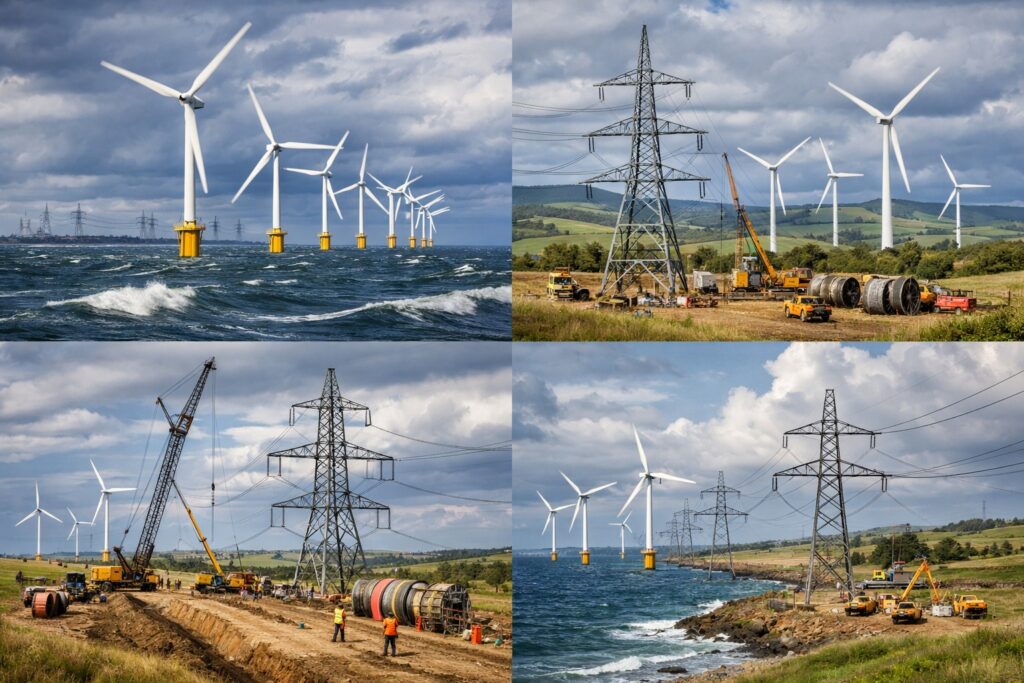
When discussing wind power, critics often point to the same scenario: strong winds but stationary turbines, leading to electricity being ‘wasted’. Consequently, some conclude that this reflects a failure of the system, a misallocation of investment, or even that no further wind turbines should be built. This perspective, while seemingly intuitive, overlooks the fundamental logic of energy transition.

Let us first lay the facts on the table. The so-called curtailment of wind power does not mean that the electricity is unwanted; rather, it occurs when generation exceeds the immediate transmission capacity of the grid, necessitating a limitation on output. In the context of the UK in 2025, the curtailed wind power is expected to account for about 10% of the total potential wind generation for the year. In other words, nearly 90% of wind power will still be successfully delivered to the grid and utilized. To base the success or failure of energy policy on this transitional 10% is to miss the point entirely.

Understanding this issue is not difficult. Imagine the energy system as akin to constructing a building. Many large residential projects often begin with road construction, laying pipes, and pulling cables, even before the houses are built. In the short term, the roads may be empty and the lines underutilized, but no one would accuse this of being wasteful. Without these preparatory works, the houses could not possibly come into existence.

The relationship between the grid and wind power is similar. Wind turbines can be constructed quickly, while grid upgrades progress more slowly; thus, the two cannot be perfectly synchronized in timing. As the penetration of renewable energy begins to rise, transmission bottlenecks will inevitably emerge first. This is not an error but rather a structural friction that arises once the transition reaches a certain scale.

More importantly, wind power curtailment is a transitional issue. The limitations seen today along the North Sea coast or in certain areas of Scotland are not the norm for the system; they are highly concentrated in specific locations and times. With the strengthening of transmission lines, enhanced inter-regional transport capacity, and the gradual maturation of energy storage and demand management, these bottlenecks will be systematically resolved. Looking back a decade from now, today’s curtailment will merely be an inconvenience during a construction phase, not a long-term loss.

Some have thus argued: since curtailment occurs, we should not build more wind turbines. This reasoning completely reverses the causal relationship. Without a sufficient amount of wind power, there is no economic value in upgrading the grid. Investments in the grid often run into billions of pounds and cannot occur in a vacuum; they require clear and sustained demand signals. If the scale of wind power is insufficient, grid expansion will only become an idle asset, yielding no returns and making it difficult to achieve political and social consensus.

The true logic should be: wind power must come first, making grid upgrades worthwhile. When both wind power and the grid are gradually perfected, cheap, stable, and zero-fuel-cost renewable energy will transition from being a ‘supplementary option’ to the norm of the system. To demand zero curtailment before the grid is adequately established is, in itself, an unrealistic expectation.

From a broader perspective, the benefits brought by wind power have long surpassed the approximately 10% of curtailed output. It lowers overall generation costs, reduces reliance on fossil fuels, and provides a clear and credible investment direction for future grid upgrades. Focusing solely on curtailment while ignoring the nearly 90% of stable power supply is neither rational nor honest.

The real waste is not the temporarily unused wind, but rather the fear and misunderstanding that halt the progress that should continue.

Wind Power’s Curtailment and Future Energy Transition Read More »

Microwave Radiation and Its Cost-Effectiveness

Many people harbor reservations about microwaves; the mere mention of “radiation” evokes feelings of insecurity. There are frequent claims that microwaves alter food quality and that prolonged use is detrimental to health, leading some to prefer traditional cooking methods over microwave ovens. However, this fear largely stems from a misunderstanding of “radiation.”

Let us clarify a fundamental fact: microwaves do emit radiation, but it is non-ionizing radiation, distinct from the ionizing radiation of X-rays and gamma rays that can damage DNA. Microwaves operate at approximately 2.45 GHz, causing water molecules within food to vibrate, generating heat without altering molecular structure or affecting genes. When the power is turned off, microwaves dissipate immediately and do not linger in food.

How does a microwave heat food? The process is quite straightforward, as it delivers energy directly into the food. Consequently, foods with high water content heat up particularly quickly, while drier items or those requiring browning or crisping are less effective. This characteristic leads to a practical question: is using a microwave a cost-saving measure or a waste of money?

The answer is clear: in most everyday situations, microwaves are indeed cost-effective. Many people see the power rating of microwaves, which ranges from 800 to 1000 W, and assume they consume a lot of electricity. However, electricity consumption is not solely determined by power rating; duration of use is also crucial. Reheating a dish or a bowl of soup typically takes 2 to 3 minutes, consuming about 0.03 to 0.05 kilowatt-hours. In contrast, ovens or stovetops not only need to heat the food but also preheat the entire oven cavity, cookware, and air, often taking 20 to 30 minutes, resulting in electricity consumption that can be several times or even ten times that of a microwave. While the difference may not be apparent after one or two uses, over time, the disparity in electricity costs becomes significant.

Thus, knowing how to use a microwave effectively is essential. It excels at reheating leftovers, quickly defrosting, heating ready-to-eat meals, and simple steaming of small portions. In these scenarios, the microwave efficiently converts most of its energy into heat for the food, with minimal waste into the environment.

However, it is equally important to recognize its limitations. Microwaves are unsuitable for baking, frying, or browning, and they are not ideal for cooking large quantities of food at once. Bread will not crisp, and meat will not brown—not due to any deficiency in the microwave, but because its heating method cannot achieve these effects. Attempting to replace an oven with a microwave will not only yield poor results but will also negate any energy-saving benefits.

Another often overlooked point is that microwaves do not significantly raise kitchen temperatures. Ovens or open flames can increase indoor temperatures during summer, indirectly increasing the electricity consumption of fans or air conditioning. This “hidden energy consumption” is virtually nonexistent with microwaves.

Regarding safety, as long as the product is certified and used correctly, microwave leakage is minimal. The metal mesh on the oven door is designed to block microwave leakage, and typically, standing next to a microwave while it heats food exposes one to less energy than using a mobile phone. What should truly be avoided are damaged devices, loose door hinges, or placing metal containers inside the oven—these are basic electrical safety issues, not radiation concerns.

In summary, microwaves are not a panacea, but they are not a trap either. When used appropriately, they are safe and energy-efficient; when misused, they will naturally yield poor results. The issue has never been the microwave itself, but rather whether we understand its principles and limitations.

Microwave Radiation and Its Cost-Effectiveness Read More »

The Struggles of South Korean Democracy

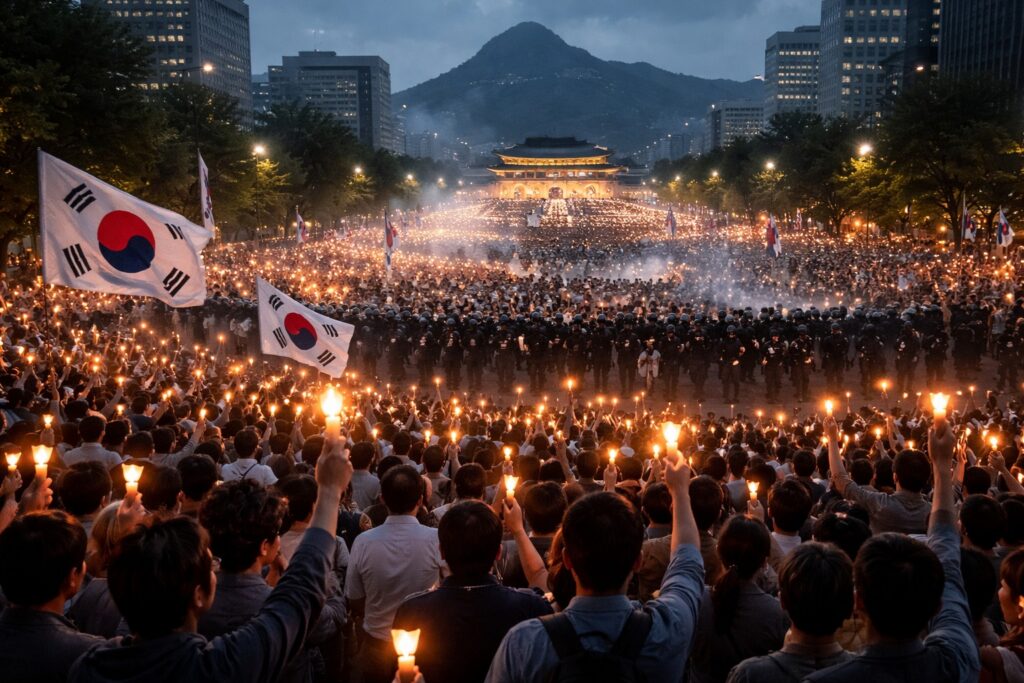
South Korea’s democratization is often simplified to a single year: 1987. However, focusing solely on that pivotal moment would lead one to mistakenly believe that democracy was a gift bestowed by reform. In reality, South Korea’s democracy emerged as a result of a long-term struggle, driven by societal pressure rather than negotiations at the bargaining table.

After its establishment in 1948, South Korea quickly descended into authoritarian rule. In 1961, Park Chung-hee staged a military coup, establishing a dictatorship under the guise of anti-communism and economic development. While this regime did promote industrialization, it simultaneously repressed political freedoms. Presidential power was highly concentrated, speech was controlled, and opposition figures were monitored, arrested, or even disappeared. Although elections and a parliament existed on the surface, the source of power was not the people, but the military and security apparatus.

Following Park Chung-hee’s assassination in 1979, democracy did not materialize. Chun Doo-hwan seized power, imposed martial law, and violently suppressed the Gwangju uprising in 1980. The military opened fire on civilians, with the official death toll exceeding 200, while civilian estimates suggest over 600 fatalities. The Gwangju incident shattered the illusion that authoritarianism could be gently reformed and made society acutely aware that without sacrifice, the system would not loosen its grip.

Key figures gradually emerged during this tumultuous period. Kim Dae-jung, a long-time opponent of the military government, was repeatedly arrested, placed under house arrest, and even sentenced to death by a military court in 1980. Kim Young-sam faced long-term deprivation of political rights, including the revocation of his parliamentary seat. Though neither was perfect, their willingness to take personal risks in an era of closed systems represented a form of political action. More importantly, they symbolized two factions within the opposition that had yet to unite.

The true turning point came in 1987. Park Jong-chul, a student in Seoul, died from torture while in police custody, and the authorities’ attempts to cover up the truth ignited nationwide outrage. In June, millions took to the streets demanding the abolition of the authoritarian regime and the implementation of direct presidential elections. Faced with the risk of losing control, the military government was compelled to concede and agreed to constitutional amendments.

On December 16 of that year, South Korea held its first-ever presidential election by popular vote. However, the victor was Roh Tae-woo, a former military figure. This outcome was not due to public support for authoritarianism, but rather the opposition’s failure to unify. Kim Dae-jung and Kim Young-sam both ran for office, leading to a split in votes that allowed Roh to win with a relative minority. This election clearly illustrated that while the system could be opened, the maturation of democratic politics would still require time and consolidation.

Nevertheless, this step was irreversible. From that point on, power had to be obtained through the ballot box, rather than through guns, martial law, or backroom deals. Democracy is not achieved overnight; it takes root in an imperfect reality and gradually expands its boundaries.

Today, discussions about South Korea often focus on K-pop, Korean dramas, technology industries, and the so-called ‘economic miracle.’ Yet, without democracy, none of this would be possible. Creative freedom, information flow, capital confidence, and institutional stability are all extensions of political transformation. While authoritarianism can concentrate resources, it cannot foster long-term creativity.

South Korea’s democracy is the result of countless individuals who have fought tirelessly. Some fell in Gwangju, some were imprisoned, and others were blacklisted for life until the system changed and they regained their names. It serves as a reminder that democracy has never been a natural progression in history, but rather a choice made by society at critical moments to no longer retreat.

The Struggles of South Korean Democracy Read More »

The Truth Behind America’s Tipping Culture

The tipping culture in the United States has long been framed as a social custom of “thoughtfulness” and “respect for service workers.” However, when one strips away the emotional aspect and examines the system itself, it becomes apparent that it is a mechanism that shifts the employer’s responsibility onto the customer. Moreover, this arrangement is quite unique among developed economies.

In the U.S., many restaurant workers, despite meeting the legal minimum wage, still earn relatively low actual wages, and the minimum wage has not been raised in years, failing to keep pace with the cost of living. As a result, tips have evolved from being merely a reward for service to a necessary supplement for basic living expenses. This is not solely a matter of custom but rather a structural issue supported by labor laws and industry practices.

The crux of the problem is that tipping has never been truly “voluntary.” When the bill presents preset options of 18%, 20%, or even 25%, the customer is not faced with a genuine choice regarding rewarding service but rather a clear social pressure. Failing to tip or tipping less is often interpreted not as a judgment on the service but as a sign of being “rude” or “ill-mannered.” Consequently, customers are compelled to subsidize the wages of someone they did not hire, which should be the employer’s responsibility.

This awkward role reversal has long been exposed by popular culture. In one scene from “Friends,” Ross dines with Rachel’s father, Dr. Green. After Dr. Green leaves a low tip, Ross feels compelled to add more money discreetly. The outcome is not one of mutual satisfaction but rather displeasure from Dr. Green, who perceives Ross’s action as a denial of his judgment. This scene is poignant because it reveals the essence of tipping culture: customers are neither employers nor free from moral responsibility for insufficient wages; any remedial action is interpreted as a moral judgment on others.

When comparing the U.S. to international standards, the uniqueness of this system becomes even more apparent. In Europe, most countries do not expect customers to tip beyond the bill, as restaurant prices clearly include labor costs. In the UK, tipping culture is relatively restrained; customers are not obliged to add extra money. Some restaurants may include a service charge of about 10% in the bill, but this is a clearly stated price arrangement rather than an after-the-fact moral pressure. In Japan, the situation is even clearer, as service is viewed as a professional duty, and employees may even refuse tips, believing they are not deserved.

Proponents of the tipping system often argue that tips incentivize better service. However, this assertion overlooks a fundamental fact: the quality of service primarily depends on training, management, and working conditions, rather than the customer’s immediate subjective feelings. When a server’s income is heavily reliant on tips, their focus often shifts from merely performing their job well to pleasing the customer. This not only distorts professional relationships but also fosters inequity. Numerous studies have shown that tip amounts are highly correlated with factors such as appearance, gender, and race, yet do not necessarily correlate with the professionalism of the service itself.

Even more unreasonable is that the risks are almost entirely borne by the most vulnerable party. During slow business, when customers are frugal, or in an economic downturn, it is not the restaurant owner who bears the brunt but the frontline employees. With income highly volatile yet requiring high-intensity labor, such a system is difficult to label as fair.

Some argue that classifying tips as tax-exempt income could help lower-income workers. However, this is not a viable solution. Designating tips as tax-exempt may appear to assist the working class, but it would actually provide employers with an incentive to further replace wages with tips, exacerbating systemic loopholes rather than addressing the root problem.

The tipping culture in the U.S. ultimately protects not the workers but a cost-cutting business model. It allows restaurants to attract customers with seemingly low prices while hiding the true costs behind psychological pressure at the checkout. On the surface, it appears to be “up to you how much to give,” but in reality, not tipping is viewed as a moral failing.

A healthy labor system should place the responsibility of paying fair wages on employers, not rely on social shame to maintain a façade. When a system requires constant moral pressure to function, it is inherently unsustainable. Tipping should not be a substitute for wages, nor should it serve as a tool for employers to evade responsibility. The real question should not be whether customers tip, but why this responsibility is so readily transferred.

The Truth Behind America’s Tipping Culture Read More »

The Future of Coal Power: Choices for the US and China

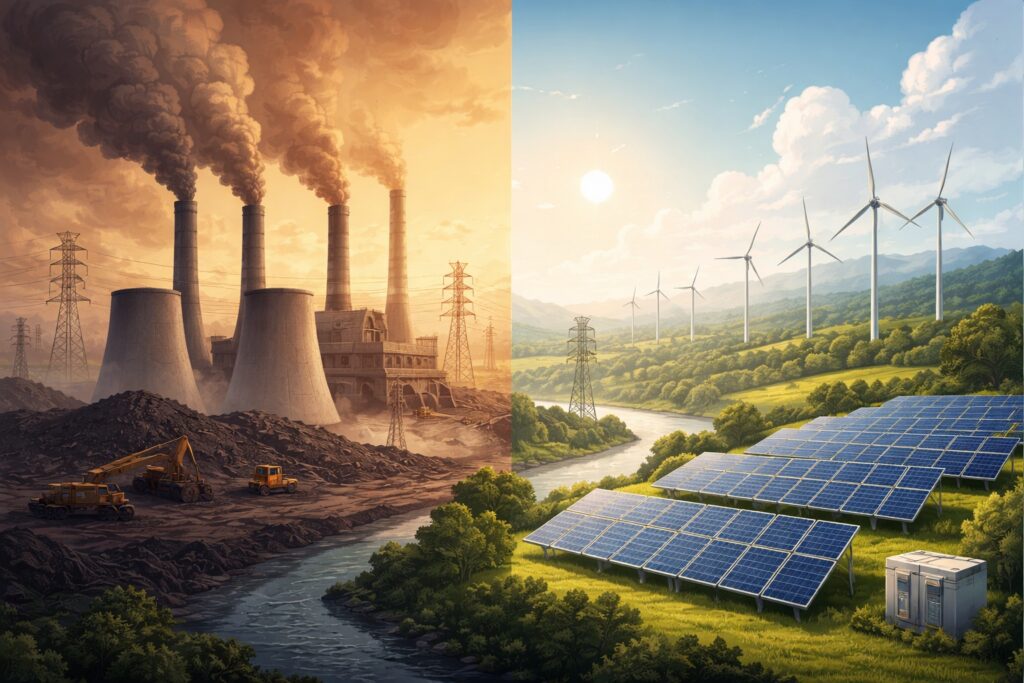
The last coal-fired power plant in the UK will officially retire in September 2024. This is not merely a symbolic gesture but a consequence of market logic: as the costs of renewable energy and flexible power sources decline rapidly, coal power has become increasingly untenable, making its exit merely a matter of time.

In this context, however, the United States is moving against the tide. The political faction associated with Trump has invoked emergency powers from the Department of Energy to keep aging coal plants, originally slated for retirement, operational, citing grid stability and energy security. Yet, most of these units are outdated and inefficient, driven not by market demand but by administrative intervention. From the perspective of the power system, coal power, even when regarded as a ‘dispatchable source’, lacks the flexibility required by modern grids. Natural gas peaker plants can start up within minutes to meet peak loads, while coal plants often require hours to ramp up and stabilize output, exhibiting poor regulation capabilities and incurring high costs for labor, maintenance, fuel storage, and environmental compliance, resulting in a slow and expensive process.

Cost figures further elucidate the issue. Recent mainstream estimates indicate that the Levelized Cost of Energy (LCOE) for coal power ranges from $71 to $173 per MWh; for natural gas combined cycle, it is about $48 to $109 per MWh; and large-scale wind and solar have largely fallen between $50 and $80 per MWh. In this context, forcibly prolonging the lifespan of coal power will merely shift higher costs onto electricity prices. Various studies estimate that such policies will impose an additional annual cost of approximately $3.1 billion on American consumers, with retail price increases in some states potentially reaching several percentage points.

The core issue in the United States is the ‘use of high-cost power sources’, while China has opted for ‘massive new construction of erroneous power sources’. In recent years, China has continued to approve new coal power projects and heavily relies on public resources, including local government financing support, policy bank loans, and various subsidies. Official narratives often cite energy security as the rationale, but the reality is that, amid the rapid expansion of wind, solar, and energy storage, the utilization rate of coal power has been low and is still declining. Increasingly, newly constructed units operate only as backups or at low loads, yet they must bear high capital costs, making it economically challenging to recoup investments within their designed lifespan. In other words, these coal plants are on a trajectory to become stranded assets from the moment they are completed, consuming public funds and emission allowances without generating corresponding value in electricity generation.

In both the United States and China, the underlying logic of policy is not long-term efficiency but rather short-term political risk management. Power outages represent an immediate, visible risk with high political costs; high costs or stranded assets are chronic, diffuse issues that can be deferred. Thus, the choice tends to lean towards ‘first avoiding power outages, and we will deal with the rest later’. The UK has simply accepted the reality earlier: coal power has been eliminated by rational economic logic. This path is one that other countries will ultimately be unable to avoid.

The Future of Coal Power: Choices for the US and China Read More »

The Crisis of Ski Resorts Amid Global Warming

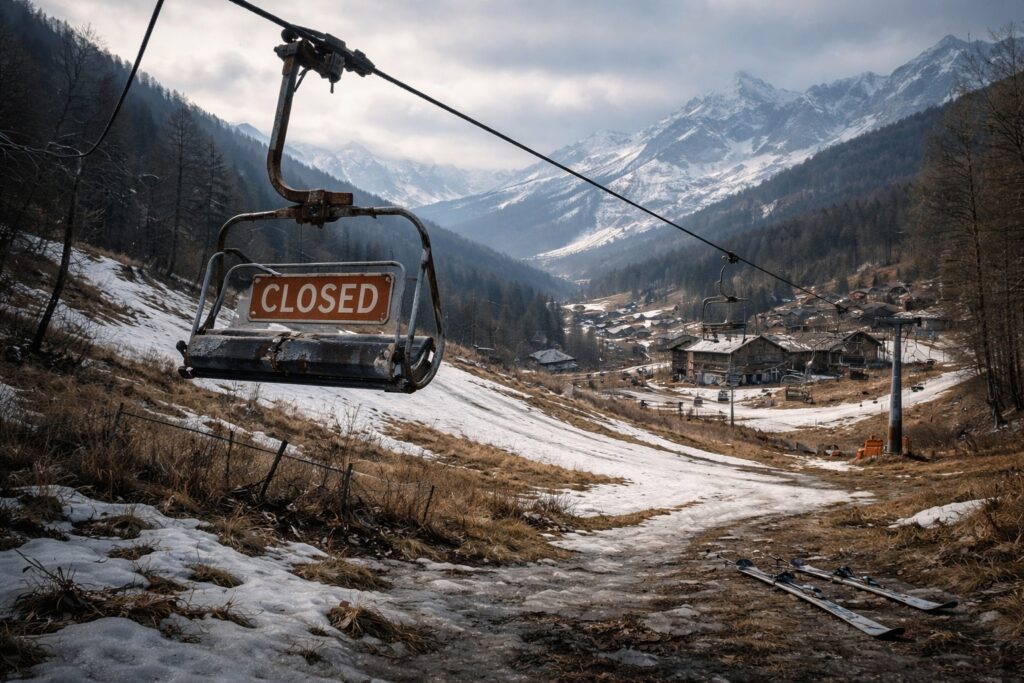
For the past century, ski resorts have symbolized winter stability, nature’s generosity, and the lifeblood of mountain economies. Today, they have become the most visible and brutal victims of global warming. In the European Alps, an increasing number of ski resorts are quietly closing, not due to mismanagement, but because the absence of snow has become the norm. The disappearance of white slopes has not led to successful transformations, but rather to abandoned ‘ghost towns.’

The low-altitude ski resorts in the French Alps were the first to fall. Historic small resorts like Céüze, once the economic heart of local communities, provided jobs and income for entire valleys during winter. Now, as the snow line rises year by year and natural snowfall becomes increasingly unreliable, even artificial snowmaking often fails due to insufficiently low temperatures. Snowmaking equipment requires electricity and water, which are costly, while returns are becoming more uncertain. Consequently, local governments have ceased subsidies, operators choose to stem losses, and ski lifts stop running, leading to the closure of restaurants and hotels.

This is not an isolated incident but a structural collapse. The economic model of ski resorts is predicated on the assumption that ‘winter will always be cold.’ When this premise fails, the entire industry chain breaks down. Unemployment first strikes the grassroots level: ski lift operators, slope maintenance workers, and seasonal instructors; next, it affects hotels, guesthouses, restaurants, and equipment rental shops. Mountain economies are highly singular, and once winter tourism disappears, alternative industries are often non-existent, making population outflow nearly inevitable.

Some may think this is merely a European issue, with Asia still having room to maneuver. However, experiences from Japan and South Korea are shattering this illusion. Japan, renowned for its ‘powder snow,’ attracts a large number of overseas ski tourists, but in recent years, frequent warm winters have delayed the start of the season and led to inconsistent snow conditions, becoming a well-known concern in the industry. Some low-altitude ski resorts have had to shorten their operating periods or even close for the entire year. For rural areas reliant on winter tourism, this is not just a decline in tourism revenue but a destabilization of local finances and employment structures.

The situation in South Korea is equally severe. Many ski resorts are located at lower latitudes and altitudes, making them heavily dependent on artificial snow. With climate change, the ‘cold windows’ suitable for snowmaking have shortened, while electricity and water costs continue to rise. Some ski resorts require government support just to barely survive; otherwise, they face closure. These closures often do not make international headlines, but their impact on local communities is no less significant than that in the Alps.

It is worth noting that this crisis did not arrive suddenly. The scientific community has long pointed out that as global average temperatures rise, winter snowfall will exhibit ‘less and more unstable’ characteristics, particularly in mid- to low-altitude regions. The question is not whether it will happen, but when and how quickly it will occur. The closures of ski resorts today are, in fact, a delayed reckoning of years of ignored risks.

Ironically, artificial snowmaking itself is not a long-term solution. It is energy- and water-intensive, deepening reliance on cold climates and creating a vicious cycle. Once temperatures surpass a certain threshold, technology will be powerless. By then, the so-called ‘transformation’ will be nothing more than a slogan, leaving behind only sunk costs and shattered communities.

The closures of ski resorts remind us that global warming is not an abstract statistic or a distant future, but an ongoing economic and social event. It first strikes marginal areas, taking away seasonal jobs, hollowing out local economies, and ultimately rewriting demographic maps. Today, it is the slopes that disappear; tomorrow, it could be entire industries.

If there is one question worth pondering, it is this: when climate change has already begun to reshape landscapes and livelihoods, do we still pretend that this is merely the ‘individual misfortune’ of certain industries? The fate of ski resorts may be a preview of what awaits other industries reliant on stable climates.

The Crisis of Ski Resorts Amid Global Warming Read More »

The Real Considerations Behind High-Sulfur Fuel Ban

In 2020, the shipping industry implemented a comprehensive ban on high-sulfur fuel, leading to a curious reversal in climate discussions. Recent studies suggest that this policy, originally aimed at improving air quality, could result in an additional global warming of 0.05°C in the short term. The reason is not mysterious: the sulfate aerosols produced from burning high-sulfur fuel reflect solar radiation and enhance the brightness of low clouds over the ocean, creating a cooling mask that has persisted for years. When this mask is rapidly removed on a global scale, the warming already locked in by carbon dioxide becomes more pronounced.

However, this does not imply that decision-makers are ignoring science. The core rationale for the sulfur ban has never been climate-related but rather focused on public health. The fine particulate matter and acid pollution emitted from high-sulfur fuel have direct and clear detrimental effects on the respiratory and cardiovascular health of port cities and coastal communities. These impacts can be quantified and immediately mitigated through policy. In contrast, the 0.05°C increase is an indirect consequence at the level of the overall climate system, making it difficult to justify the retention of pollution. Consequently, the governing rules are not dictated by the climate sector but by the shipping regulatory framework grounded in safety and health, such as the International Maritime Organization.

Given that the short-term warming effect of the sulfur ban is more apparent, a seemingly compromise suggestion has emerged in recent years: should high-sulfur fuel only be banned in nearshore and port waters while allowing ships to continue using it in the open ocean to retain some cooling effects while alleviating health impacts along the coast? This concept appears reasonable on paper, but it fails both physically and institutionally. Sulfate aerosols do not remain offshore; they diffuse to coastal areas and even inland within days due to atmospheric circulation. Moreover, sulfur ultimately returns to the surface through deposition, causing acid rain and ocean surface acidification, which harm ecosystems. Pollution does not respect coastal boundaries; simply increasing sulfur emissions offshore is merely a fantasy.

A deeper issue lies in the temporal structure of climate governance. The cooling effect of sulfur is a typical flow effect that requires continuous emissions to exist; in contrast, carbon dioxide is a stock problem that can accumulate in the atmosphere for hundreds of years once emitted. Intentionally retaining high-sulfur fuel as a climate buffer would only establish system stability on a form of pollution that will eventually be phased out, laying the groundwork for a more severe warming rebound in the future. From this perspective, that 0.05°C is not new warming caused by the sulfur ban but rather a reality that has long existed, merely obscured in the past.

Therefore, the ban on high-sulfur fuel is not a result of scientific ignorance but rather a choice grounded in clear value judgments. It rejects the extension of a fragile climate illusion at the expense of health and the environment, compelling society to confront the real challenge: when the mask is removed, the only sustainable path to cooling is to reduce greenhouse gas emissions more quickly and thoroughly, rather than seeking gray areas of pollution between nearshore and offshore.

The Real Considerations Behind High-Sulfur Fuel Ban Read More »

The Truth About Electric Vehicle Depreciation

This article aims to dismantle a widely accepted myth: that electric vehicles (EVs) inevitably depreciate and lose significant value upon resale. This notion has gained traction not due to meticulous analysis, but rather because many people focus solely on a single data point: the second-hand price of a car one year after purchase. If one extends the timeframe, however, the entire narrative shifts dramatically.

To clarify the facts, EVs do indeed experience higher depreciation in their first year compared to gasoline or diesel vehicles, a reality that cannot be denied. However, this is not because electric cars suddenly become outdated; rather, it is due to their higher initial price tags. Factors such as battery costs, premiums during the transition period, and manufacturers’ efforts to recoup early investments contribute to many EVs being priced above their internal combustion engine counterparts. Consequently, when these vehicles enter the second-hand market, their prices naturally adjust downward, leading to a pronounced depreciation in the first year.

Yet, if one only considers the sticker price, the critical factors are overlooked. Governments and manufacturers have provided numerous incentives in recent years to promote electrification, including cash subsidies, tax reductions, free home charger installations, and common three-year interest-free financing options. When these incentives are factored in, the actual acquisition cost of a new EV often diverges significantly from its listed price. The first-year depreciation, to some extent, merely reflects these benefits all at once.

Looking beyond the first year, the situation normalizes significantly. Market data, including that from Motorpoint, indicates that after the first year, the depreciation rates of EVs are actually quite comparable to those of internal combustion engine vehicles. In other words, EVs do not continue to depreciate at an accelerated rate; rather, they experience a sharp adjustment initially, after which the depreciation returns to a more typical pace. The notion that they ‘do not hold their value’ is largely an illusion created by a mismatch in timing.

If one truly wishes to avoid the first-year depreciation, there are two rational options. The first is to purchase a one- or two-year-old electric vehicle. The most significant depreciation has already been absorbed by the first owner, while the vehicle’s condition and technology remain relatively new. More importantly, the battery typically still retains six to seven years of original warranty, making the actual risk far lower than commonly perceived. This age range often represents the best value for money.

The second option is to lease an electric vehicle. If you prefer not to deal with depreciation at all, leasing can be the most straightforward solution. With fixed monthly expenses, you simply return the vehicle at the end of the lease, completely detached from fluctuations in second-hand prices. For those not intending to hold a vehicle long-term and who wish to enjoy the latest models and incentives, leasing is, in fact, an underrated option.

Ultimately, depreciation is merely a calculation. The number of years you use the vehicle, how you acquire it, and whether you account for all incentives are the key factors determining whether you ‘lose or gain’ value. To summarize a rapidly changing market with the phrase ‘electric vehicles do not hold their value’ is an oversimplification. The real question is not whether depreciation occurs quickly, but whether you have chosen the most suitable entry method for yourself.

The Truth About Electric Vehicle Depreciation Read More »

Ethiopia First to Ban Gasoline and Diesel Cars

If asked which country is the first to implement a comprehensive ban on gasoline and diesel vehicles, many would likely guess Norway, Germany, or even China. However, the true pioneer is Ethiopia. Starting in 2024, Ethiopia will completely prohibit the import of gasoline and diesel vehicles, subsequently extending this ban to trucks and assembled kits. In the new vehicle market, internal combustion engines will be entirely eliminated, leaving only electric vehicles legally permitted—a policy that is remarkably rare on a global scale.

The reason this revelation is so surprising is largely tied to the long-standing perceptions of Ethiopia. Many still associate the country with the images of famine from the 1980s, viewing it as a symbol of chronic poverty and developmental stagnation. In reality, that historical period is decades behind us, and Ethiopia’s economy and national capabilities have undergone significant structural transformations.

Over the past twenty years, Ethiopia has consistently invested in infrastructure and energy, developing a comprehensive network of roads, railways, industrial parks, and a national power grid. The electricity supply is primarily hydroelectric, locally sourced, and both low-cost and stable. In contrast, gasoline and diesel are entirely reliant on imports, consuming substantial foreign exchange annually and exerting long-term pressure on the macroeconomy. In this context, promoting electric vehicles is not merely an environmental policy; it is a direct economic and energy security decision.

Because the number of vehicles is relatively low and internal combustion engines have not become deeply entrenched in daily life, Ethiopia can leapfrog the gasoline vehicle era and directly choose the most advantageous energy path for itself. This ‘latecomer advantage’ allows it to progress more swiftly in certain critical transformations than many developed economies.

In summary, while Ethiopia is not yet wealthy, it is no longer the country that exists solely in the memories of famine. It is a developing economy transitioning to a lower-middle-income status, making decisive choices in energy and transportation policy. Relying on outdated stereotypes to understand it will only obscure the truly significant changes taking place.

Ethiopia First to Ban Gasoline and Diesel Cars Read More »

The Myth and Reality of Carbon Offsetting

Many people first encounter the concept of “carbon offsetting” not through climate reports, but at the checkout page when purchasing airline tickets. A small box pops up: for just a little extra money, you can offset the carbon emissions of your flight. This design appears considerate, yet its actual effect is highly misleading. It suggests that emissions can be immediately “remedied”; as long as one is willing to pay, they can continue to fly guilt-free. This sense of reassurance is more psychological comfort than a genuine reduction in carbon emissions; worse still, it can lead people to mistakenly believe that by opting in every time, they can fly more often.

The primary issue with carbon offsetting is that it attempts to counterbalance immediate, certain, and irreversible emissions with uncertain promises of future action. Take the most common example of tree planting: the carbon absorbed by trees is merely temporarily stored within the biomass. Trees age, decay, and can be destroyed in wildfires; in a world where warming is intensifying, these risks are only increasing. More critically, there is currently no technology that can guarantee that this carbon will not re-enter the atmosphere in the future.

Strictly speaking, not all carbon absorption by the biosphere is meaningless. In climate policy, there exists the category of LULUCF (Land Use, Land Use Change, and Forestry): when land use undergoes long-term, institutional, and nearly irreversible changes—such as converting agricultural land into legally protected long-term forest—the stability of its carbon storage is relatively high, and it has a reasonable place in national carbon accounting. However, the projects offered by aviation carbon offsets rarely involve genuine permanent changes in land use, let alone decades of institutional guarantees.

In recent years, some carbon offsets have shifted focus from tree planting to claiming investments in solar or wind energy. On the surface, this seems more reliable than biospheric carbon absorption, as it directly replaces fossil fuel power generation. However, the fatal flaw of such projects lies in their inability to prove “additionality.” Renewable energy has become the cheapest new power option in most countries, supported by policies, subsidies, and financing; many projects would have been built regardless. If solar and wind farms would still emerge without the purchase of carbon offsets, then the so-called “offsetting” merely claims credit on paper without delivering any additional emissions reductions.

Theoretically, the only true method to counterbalance fossil fuel emissions is to return carbon dioxide to geological layers, permanently sequestering it underground. However, the costs of geological carbon sequestration are exorbitant, far beyond the few pounds presented at the airline checkout page. For this reason, it has never been an option in the carbon offset box for airlines.

Consequently, the carbon offset options on airline tickets not only fail to help but may actually be counterproductive. When passengers believe they have “paid to address” emissions, flying ceases to be viewed as a high-carbon behavior that requires moderation, instead becoming a morally cleared choice. The result is not a reduction in flights, but rather a more comfortable and frequent flying experience, with even less pressure to confront the real need for emissions reductions. This design does not facilitate any structural change; it merely exchanges psychological comfort for continued behavior, allowing high-carbon activities to expand under the guise of seeming responsibility.

The Myth and Reality of Carbon Offsetting Read More »

Scroll to Top