Insights on UK life, policy, energy & the Hong Kong diaspora
WooSee covers UK affairs from a Hongkonger’s perspective — immigration policy, energy markets, infrastructure, technology, and how British life intersects with the diaspora. New analysis published daily.
Topics
UK Affairs · Energy · Explainers · Science & Tech · Infrastructure · HK Affairs
-

Climate Change: The Last Line of Defense Against the Tragedy of the Commons
The challenge of climate change lies in human nature and institutional frameworks. Carbon pricing can effectively address the tragedy of the commons, making emissions reduction a choice driven by profit rather than moral appeals.
-

Heat Pumps: The Future of Heating in the UK
Heat pumps represent a future solution for heating in the UK, combining efficiency, cleanliness, safety, and cost-effectiveness. They significantly reduce carbon emissions and support the transition to sustainable energy.
-
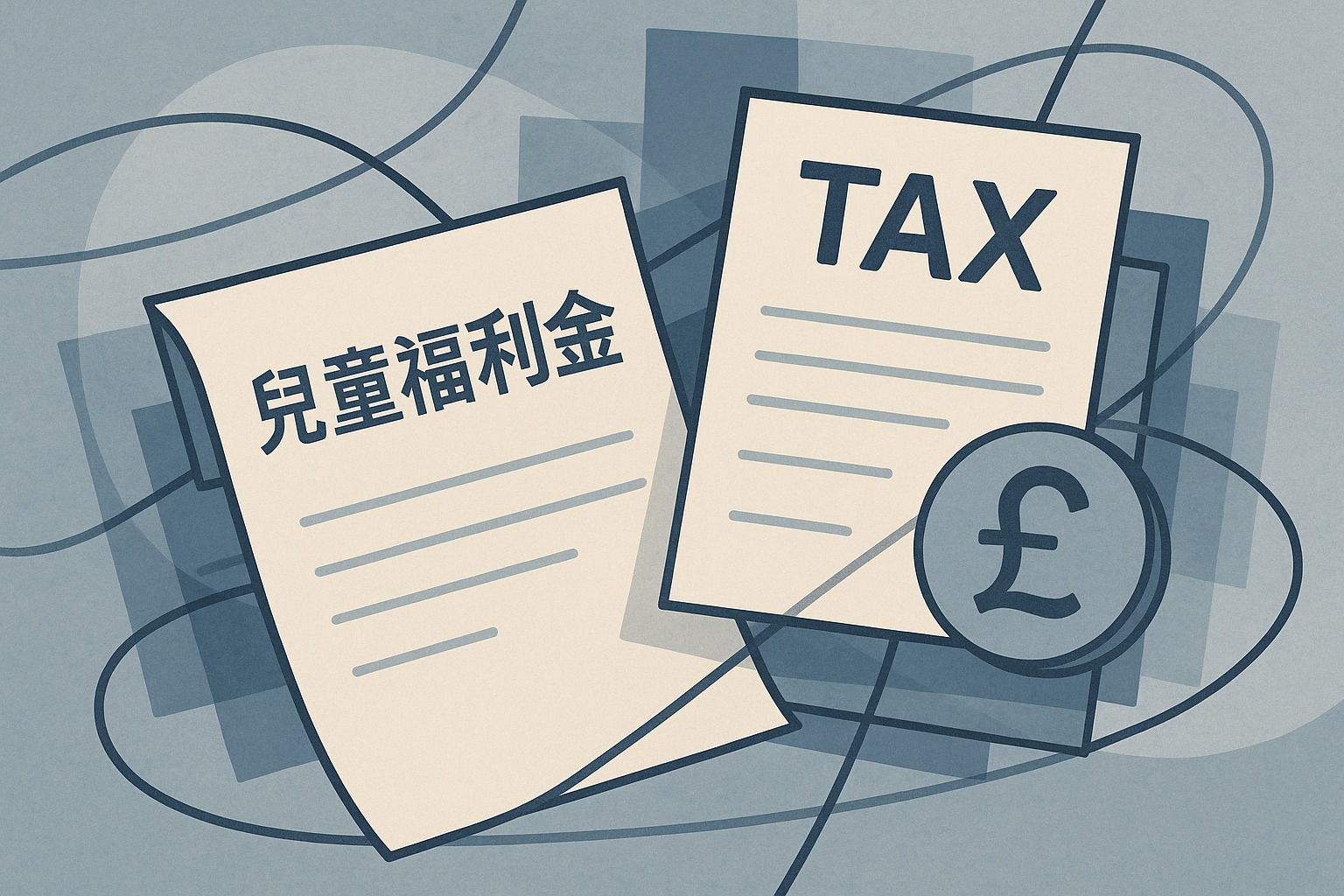
Child Benefit and HICBC: A British Absurdity
The UK’s Child Benefit system has become absurd due to the High Income Child Benefit Charge, leading to unfairness among families and administrative chaos, ultimately impacting the most vulnerable groups.
-
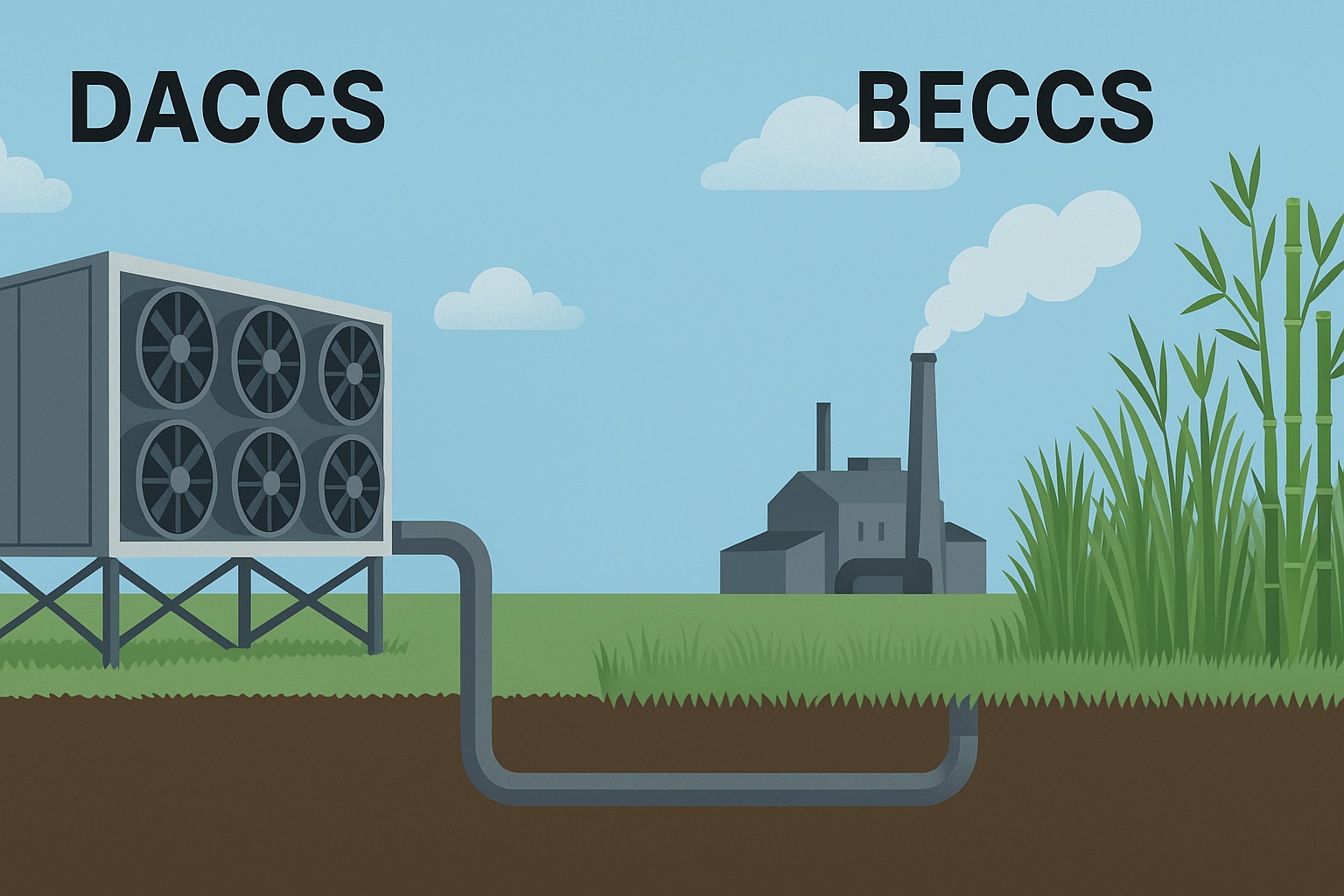
Carbon Capture and Power Generation: The Final Piece to Net Zero
In the pursuit of net-zero emissions, carbon capture technologies like DACCS and BECCS emerge as crucial solutions, effectively reducing residual carbon emissions while supporting the stability of the power system.
-
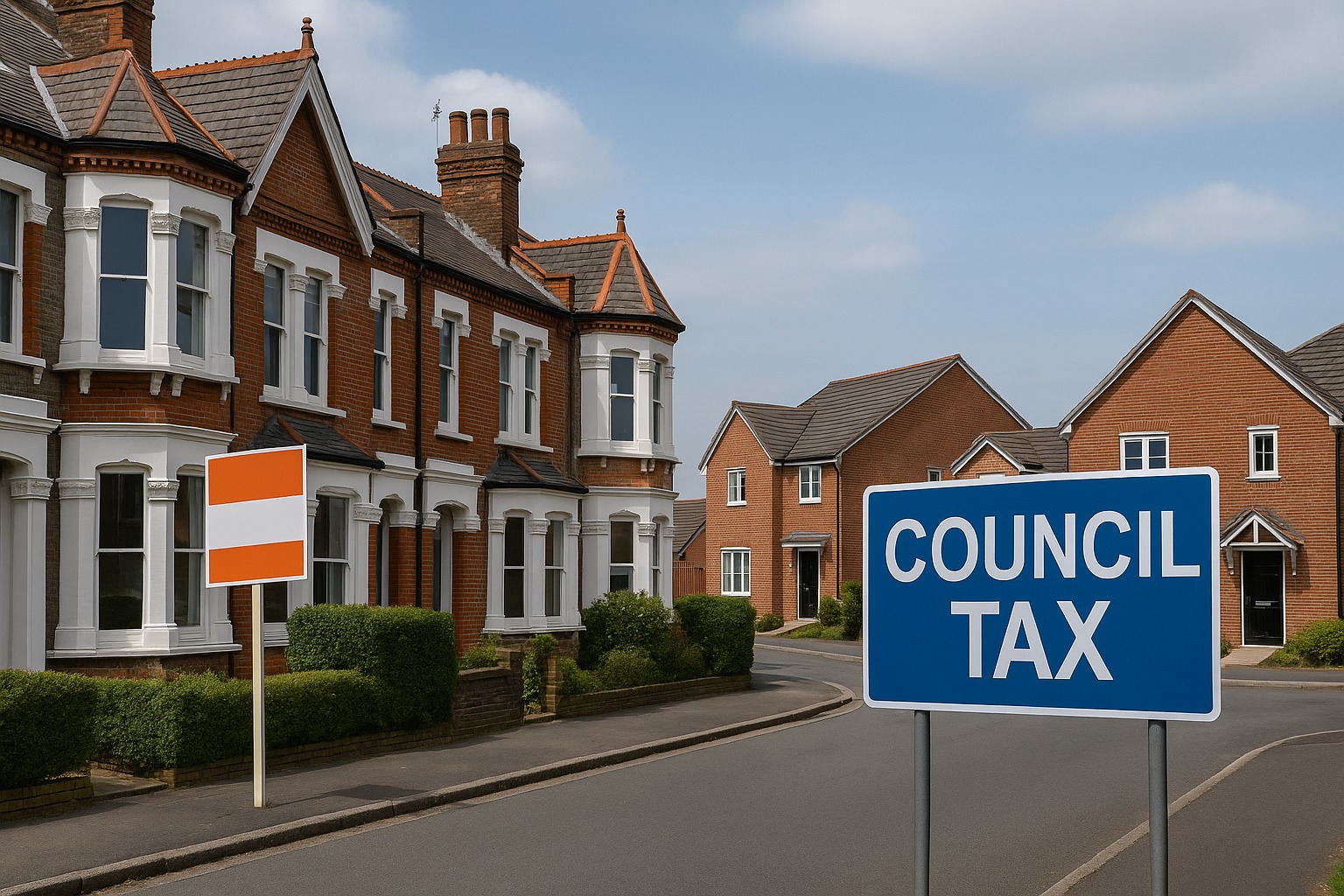
The Urgency of Local Tax Reform
The UK’s local tax system has not been reassessed for over thirty years, resulting in unequal tax burdens between affluent and impoverished areas. Reform is urgently needed to reflect current realities.
-
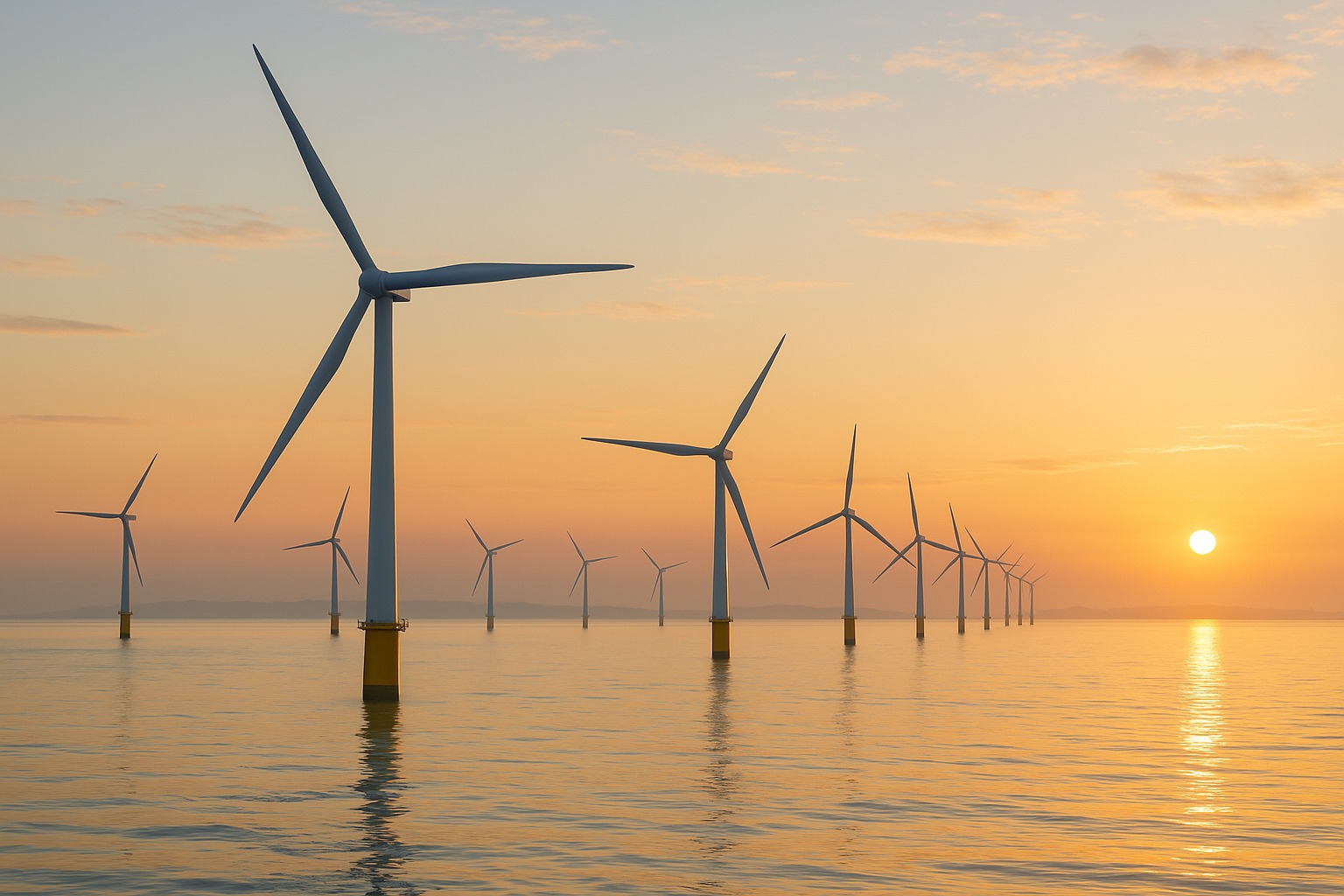
North Sea Winds: A Step Towards Green Prosperity in Britain
The rapid development of North Sea wind power will significantly lower electricity prices in Britain, transforming the energy market structure and boosting economic growth. The government must uphold its original vision to ensure the success of this transition.
-
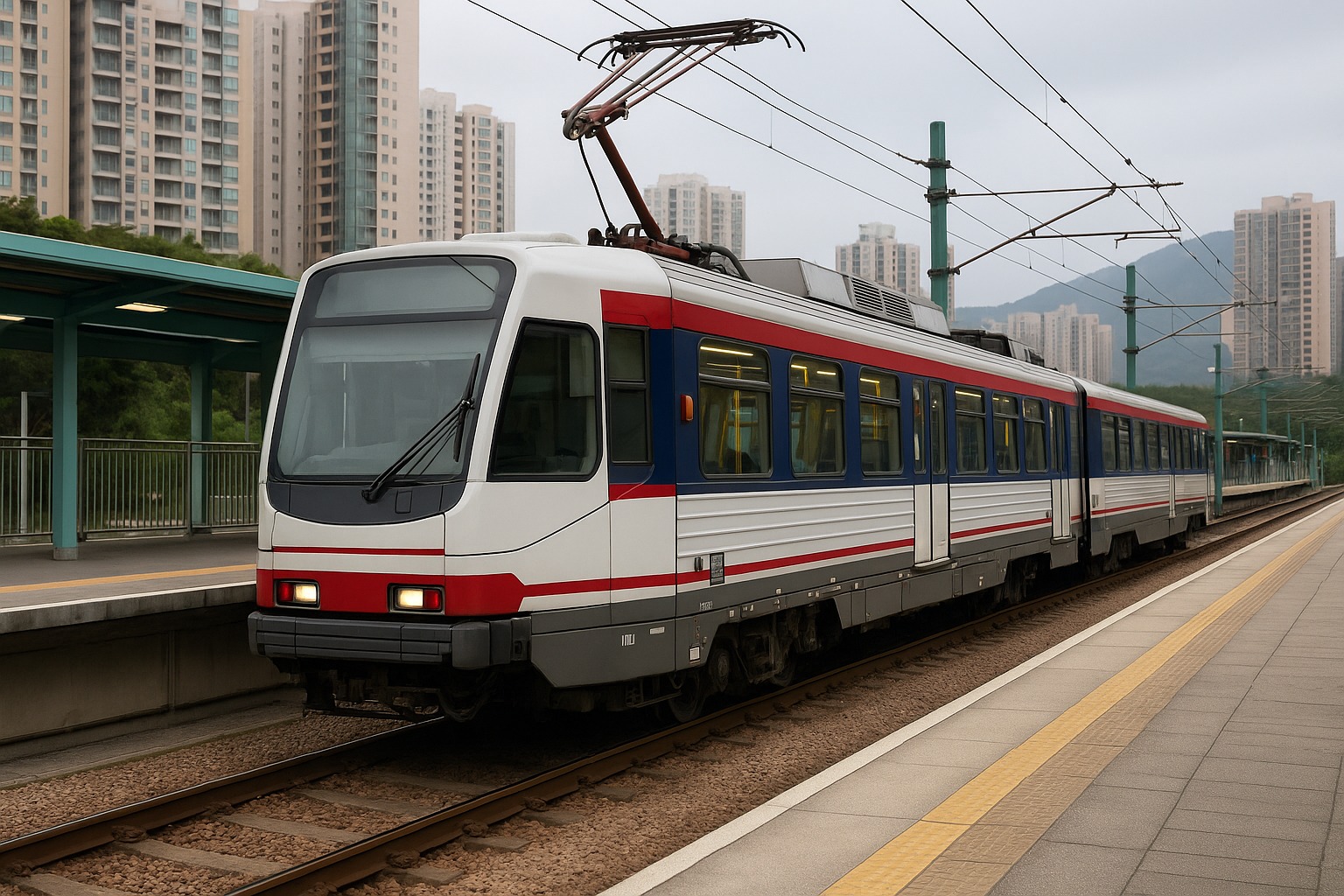
The Absurd Experiment of Battery Light Rail
The proposal for battery-powered light rail in Hong Kong is not only impractical but will also increase costs and energy consumption. What is truly needed is to enhance passenger capacity and improve the overall experience.
-
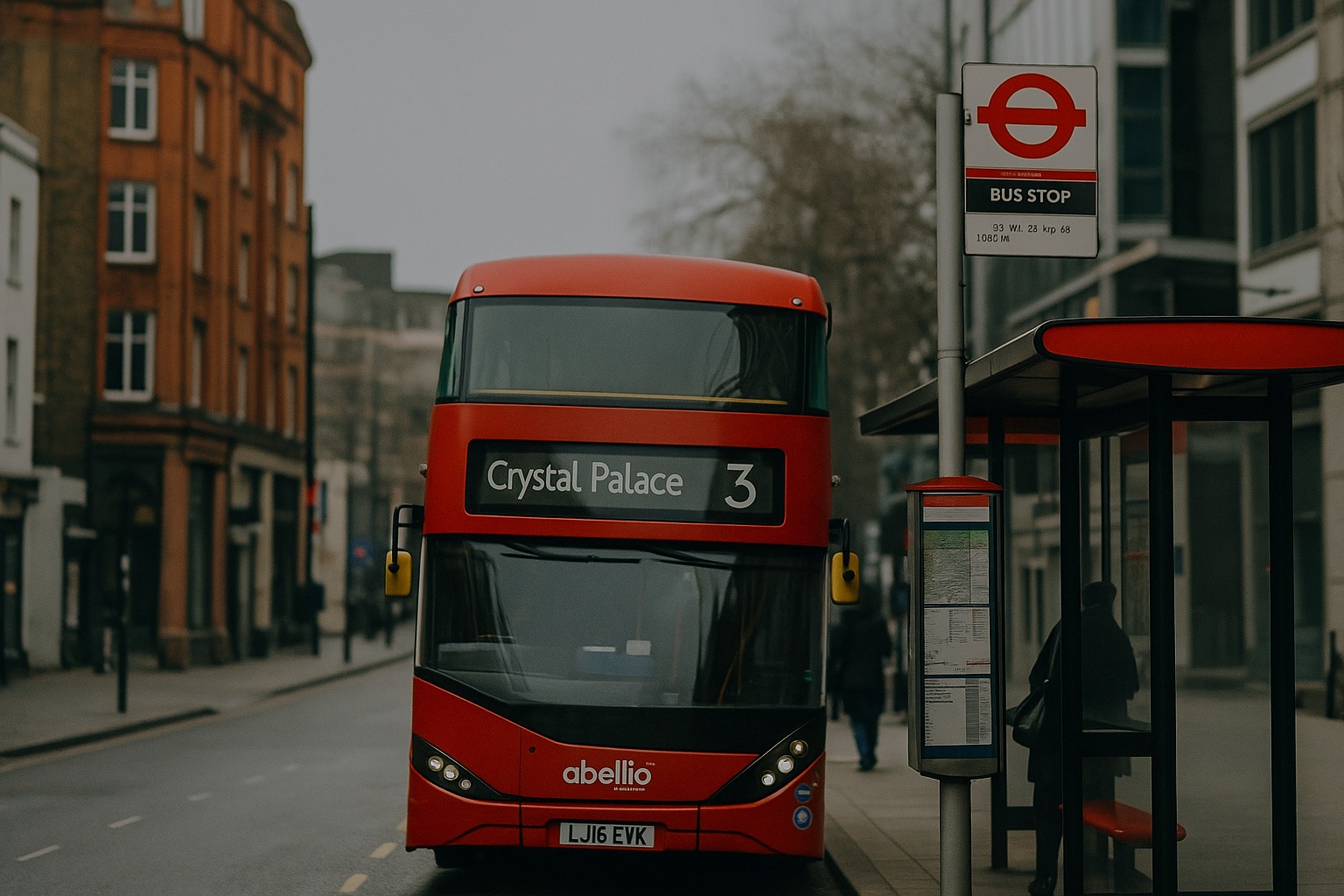
Can New Legislation Revive Britain’s Struggling Buses?
Britain’s bus services are in crisis, and the government’s new legislation aims to revive local bus operations. However, success hinges on funding, capability, and cultural change.
-

Unifying European Time: Abolishing Daylight Saving Time for UTC+1
Europe should abolish Daylight Saving Time and unify to UTC+1 to reduce time confusion and enhance economic efficiency. This is not just about time alignment, but also a realignment of geography and civilization.
-

The Hidden Traps of the UK Tax System
The hidden traps of the UK tax system penalize the professional middle class with an effective tax rate of 62%. This system undermines the incentive to work hard and requires reform to restore trust.