In 2025, the weather in Hong Kong can no longer be described as merely “abnormal.” A more accurate characterization is that extremes are becoming the norm, and the city has yet to fully adapt.
Throughout the year, Hong Kong issued warnings for 12 tropical cyclones, breaking the record for the highest number ever recorded. This is not simply a matter of increased winds; rather, the storm paths are veering closer to the coast with greater intensity. Notably, two instances required the issuance of the No. 10 hurricane signal, arriving swiftly and departing just as quickly, leaving society with increasingly limited time to respond.
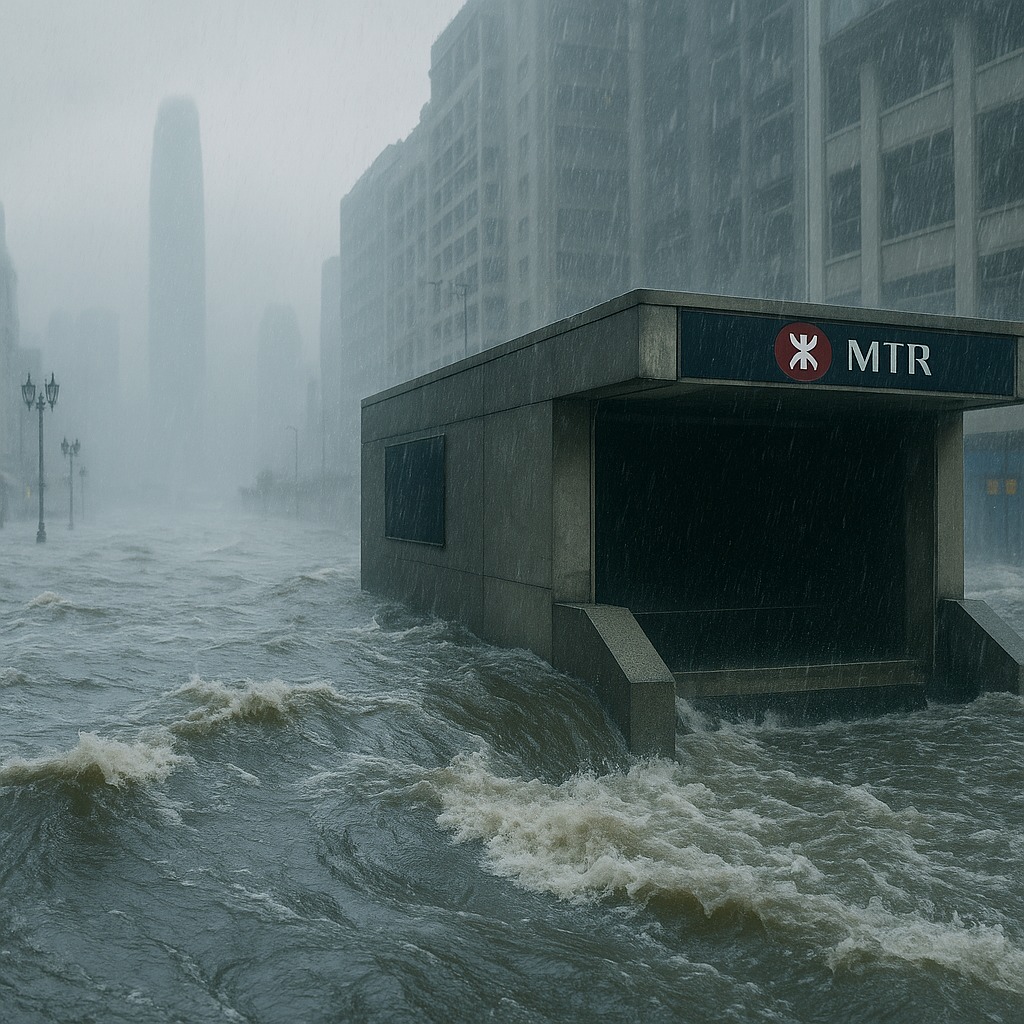
The issue of rainfall mirrors this trend. The year saw five black rainstorm warnings, a figure that is already rare, but more crucially, the distribution of these events has changed. Black rain is no longer characterized by prolonged downpours but rather by intense bursts of rainfall over short periods, which even a normally functioning drainage system struggles to handle. This “flash rainfall” is particularly detrimental to roads, slopes, and older districts.
However, the real danger in 2025 lies not in the wetness but in the abrupt transitions between wet and dry conditions. Between torrential rains and typhoons, there are prolonged periods of unusual dryness, with relative humidity remaining persistently low and insufficient rainfall. Forests, weeds, and slopes gradually dry out, silently accumulating fire risks.
The severe fire in Tai Po ultimately claimed over 160 lives. While the source of the fire is still under investigation, the meteorological conditions are not irrelevant. Extended dryness, low humidity, and winds that fuel flames made the situation uncontrollable. Weather may not be the cause, but it determined the scale of the disaster. When extreme dryness meets densely populated communities, the most vulnerable often bear the brunt of the consequences.
In terms of temperature, 2025 continues a multi-year trend. The number of hot days is above average, with insufficient cooling at night, making “hot nights” the norm. This is not merely a matter of discomfort; it adds pressure to electricity loads, public health, and living costs. High temperatures also provide energy for convective weather, making heavy rains and thunderstorms more likely, creating a cycle of interconnected risks.
Another subtle change is the disappearance of seasonal awareness. Spring and autumn are shortening, and weather shifts occur rapidly, forcing urban management and citizens to chase after the weather. Planning still follows an outdated rhythm, while reality has already changed its tempo.
Looking back at 2025, nearly every significant indicator is setting new records. This is not a coincidence but a trend. As record-breaking events become more frequent, what lags behind is often not nature, but human psychological preparedness.
Weather will not wait for us to adapt. 2025 is merely a step ahead of the future.