From February 6 to 22, 2026, the Winter Olympics will take place in Milan and Cortina d’Ampezzo, Italy, marking the timely commencement of the 2026 Winter Olympic Games. A few months later, the summer will usher in the World Cup, scheduled from June 11 to July 19, where 48 teams will compete across Canada, the United States, and Mexico. In a world marked by chaos and disorder, these highly institutionalized global spectacles will proceed as planned, for they have long ceased to be driven by passion and have become a matter of routine.
2026 will also be an election year. On November 3, the United States will hold its midterm elections, with all 435 seats in the House of Representatives up for grabs and approximately one-third, or 33 seats, in the Senate needing to be filled. The question of whether the Trump administration will quickly become a lame duck, with its policy space constrained by Congress, hinges not on personal style but on the arithmetic of seats.
In the UK, May will see a significant round of local and devolved government elections. Both the Welsh Parliament and the Scottish Parliament will undergo elections, while several local councils in England, including those in multiple London boroughs, will also hold elections. Although these elections are not at the national level, they directly impact housing, transportation, public services, and local finances, representing the most immediate and pragmatic expression of public sentiment towards daily governance.
In Europe, Hungary will hold parliamentary elections in April, while Sweden’s general election is scheduled for September 13. Italy may also hold a parliamentary election in 2026, although the timing remains uncertain. Whether Viktor Orbán can continue to be the EU’s troublemaker will test not only Hungarian politics but also the entire continent’s tolerance for internal divisions.
In South America, Colombia will hold the first round of its presidential elections on May 31, while Brazil will conduct its elections in October. The economic policies and foreign orientations of these countries are likely to have spillover effects on the international landscape.
In terms of energy transition, the changes in the UK are the most concrete. By 2025, the proportion of low-carbon electricity in the UK is expected to reach around 60%. With several large offshore wind farms set to come online around 2026, this proportion will further increase to approximately 65%. The structural transformation of the electricity system is already locked in, with discussions shifting from direction to speed and supporting measures.
Globally, the momentum for clean energy will continue to rise. The penetration rate of electric vehicles is steadily increasing, and charging infrastructure is gradually being established, leading to long-term suppression of oil demand. Global carbon emissions are likely to peak by 2026 or even earlier; despite potential short-term fluctuations, the overall trend is becoming increasingly clear.
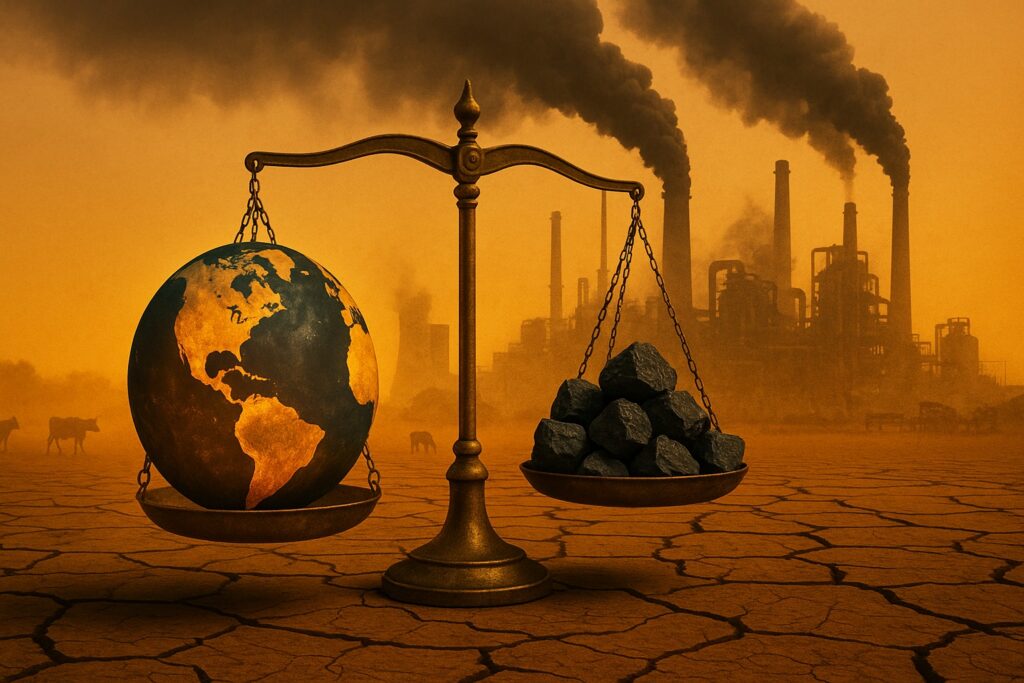
However, this does not equate to good news. Even if emissions peak, the target of limiting global warming to 1.5°C has essentially been abandoned. Under current policies and national commitments, the world is on a path towards 2.0°C or higher. Extreme temperatures, floods, and droughts will continue to set new records, but societal attitudes have shifted—these events are no longer seen as isolated disasters but as long-term risks, prompting a shift in policy focus from denial to adaptation.
The world will not suddenly improve, nor will it collapse overnight; however, many will clearly feel that the choices made over the past decade are beginning to come due.