HK Affairs

Hong Kong politics, economy, and society — written from the diaspora’s vantage point. Coverage of HKSAR governance, the post-2019 migration wave, and the territory’s place in regional and global affairs.

Are Electric Vehicles Truly More Eco-Friendly Than Gas Cars?

Electric vehicles are becoming increasingly popular in Hong Kong, yet a lingering question remains: given that local power plants still rely heavily on natural gas and coal, are electric vehicles genuinely more environmentally friendly? To answer this question, we must rely on calculations rather than impressions.

First, let us examine the most direct measure: carbon dioxide emissions. A typical gasoline vehicle in Hong Kong has an actual fuel consumption of about 7.5 L/100 km. Each liter of gasoline burned emits approximately 2.3 kg of CO₂, translating to about 170 g per kilometer. When accounting for upstream emissions from extraction, refining, and transportation, the total comes to around 200 g/km. In contrast, a medium-sized electric vehicle consumes about 18 kWh per 100 km. Based on the local power grid’s CO₂ emissions of approximately 0.40–0.45 kg per kWh, the emissions per kilometer amount to roughly 72–81 g, which is about half that of gasoline vehicles.

To illustrate this difference more clearly, consider an annual driving distance of 10,000 km. The gasoline vehicle would emit about 2 tons of CO₂, while the electric vehicle would emit approximately 1–1.2 tons, resulting in a difference of nearly 1 ton, equivalent to not taking one or two long-haul flights. If the mileage were higher, the savings would increase correspondingly.

The critical factor lies in the calculation of the entire life cycle. The manufacturing phase of electric vehicles, particularly battery production, indeed incurs a higher ‘carbon burden.’ However, this emission does not permanently overshadow electric vehicles. Based on the current intensity of Hong Kong’s power grid, electric vehicles will have lower cumulative emissions than gasoline vehicles after driving approximately 12,000–20,000 km. Over the entire lifespan of 100,000–150,000 km, the life cycle emissions of electric vehicles are generally about 30–50% lower than those of gasoline vehicles. As the power grid becomes greener, this gap will only widen.

Moreover, the life cycle does not end with the vehicle’s ‘retirement’; the ‘second life’ of batteries is rewriting the environmental ledger. Many retired electric vehicle batteries still retain 70–80% of their capacity and are commonly repurposed for energy storage systems, balancing grid loads and supporting renewable energy. This implies that the carbon emissions associated with batteries are not a one-time cost but can be amortized over a longer usage period. Regarding recycling after disposal, global technological advancements are rapid; hydrometallurgy can recover metals like lithium, nickel, and cobalt with an efficiency of around 90%, significantly reducing the emissions associated with raw materials for the next generation of batteries. In other words, the environmental burden of battery manufacturing is decreasing with technological progress.

In Hong Kong, a more immediate concern is not climate change but roadside air pollution. The concentrations of NO₂ and particulate matter in Hong Kong have long been elevated, with gasoline and diesel vehicle exhaust being the primary sources. While electric vehicles still require electricity, they produce zero tailpipe emissions on the road, leading to immediate reductions in pollution near bus stops, schools, and sidewalks. Power plants can be centrally managed, whereas roadside pollution is directly inhaled by citizens, making the health impacts incomparable.

Of course, electric vehicles are not without environmental costs. The extraction of lithium, nickel, and cobalt has its footprint; larger vehicles with bigger batteries naturally require more materials, resulting in higher emissions. From an environmental perspective, electric vehicles are ‘better cars,’ but for most Hong Kong residents, public transportation is often the superior option.

Therefore, in the specific context of Hong Kong, the conclusion is clear: electric vehicles are more environmentally friendly than gasoline vehicles. Their operational emissions are significantly lower, and after driving 12,000–20,000 km, they begin to achieve ‘net reductions.’ Over their entire life cycle, they emit about 30–50% less than gasoline vehicles. Coupled with battery reuse and efficient recycling, the long-term environmental burden will continue to decline. However, to fully realize the advantages of electric vehicles, Hong Kong must transition its power grid to be entirely green, including phasing out coal power, increasing the proportion of renewable energy, and seriously exploring stable low-carbon options like nuclear energy. The electrification of transport is merely the first half; the second half requires a fundamental reform of the energy system.

Are Electric Vehicles Truly More Eco-Friendly Than Gas Cars? Read More »
The Success of Electric Vehicle Adoption in Hong Kong

The rapid adoption of electric vehicles (EVs) in Hong Kong is nothing short of astonishing. This year, over 70% of newly registered private cars are electric, significantly surpassing the approximately 50% level in mainland China and outpacing the UK and EU, even approaching the leading Nordic countries in electrification. Despite its lack of residential garages and land scarcity, Hong Kong has surged to the forefront of the global electrification wave. The promotion of electric vehicles represents one of the few genuinely effective and far-reaching environmental policies of the Hong Kong government. To understand how Hong Kong achieved this, two key factors emerge: pricing and infrastructure.

First, the tax system has inverted the pricing logic. Hong Kong’s first registration tax has always been high, with petrol cars incurring taxes of over HKD 100,000. Initially, electric vehicles were completely exempt from this tax, and later, the ‘one-for-one’ scheme further reduced costs, making many electric vehicles cheaper than their petrol counterparts. Given that cars are a significant purchase, once the price gap widened, the market naturally tilted rapidly. Hong Kong residents are pragmatic and will not go against their wallets.

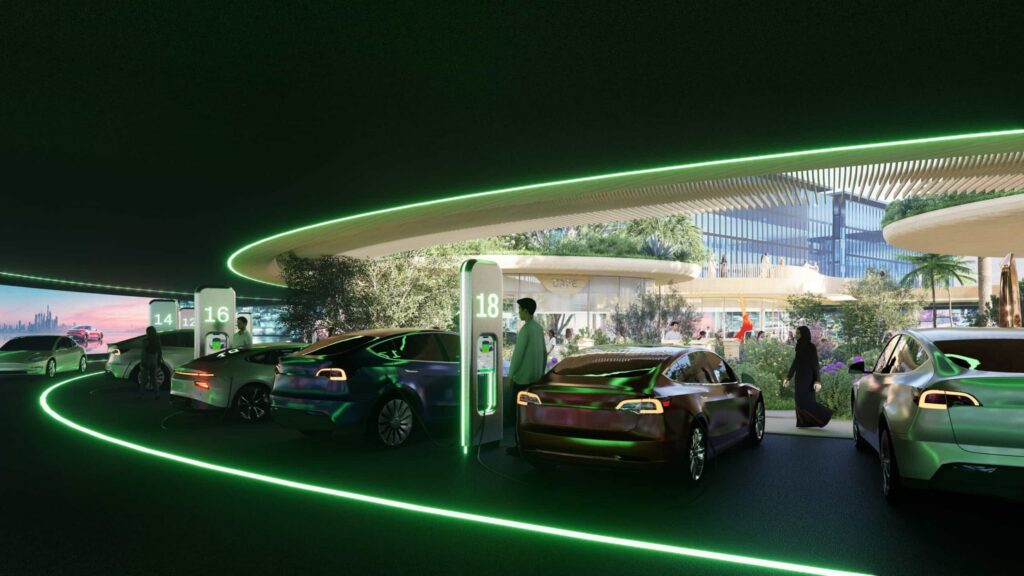
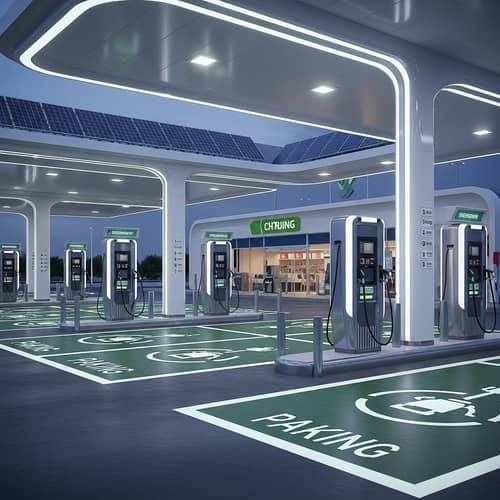
Secondly, infrastructure has gradually improved. With extremely high housing density and no garages, home charging was initially a barrier. The government introduced the ‘Residential Charging Easy’ subsidy to fund the installation of trunk lines, increase power capacity, and implement load management systems, enabling residential complexes to deploy private chargers on a large scale, thereby gradually overcoming the most critical structural obstacles in Hong Kong. Simultaneously, the government and power companies are actively expanding the public charging network, allowing those without fixed parking spaces to rely on public charging stations. Although these projects are time-consuming, they are on the right track, and the cumulative effects are becoming apparent.

Furthermore, the difference in operating costs is substantial. For a typical petrol car in Hong Kong, fuel costs range from HKD 1.7 to 2.6 per kilometer. In contrast, charging an electric vehicle at home costs only HKD 0.2 to 0.3 per kilometer; even when relying entirely on paid public charging, costs remain between HKD 0.5 and 0.7. The inherent energy efficiency gap is significant, and while petrol is subject to high fuel taxes, electric vehicles are not taxed by mileage. This policy structure keeps the operating costs of electric vehicles at a persistently low level, providing a more enduring incentive than the initial registration tax. Car owners need not delve into policy details; they simply need to monitor their monthly expenses to see the clear direction.

Hong Kong has managed to overcome the natural constraints of a high-density city through the combined forces of pricing and infrastructure, gradually dismantling the most critical barriers. The result is a city with almost no garages and intense competition for space, yet it has successfully surpassed mainland China in EV adoption, outpaced the UK and EU, and is closing in on the Nordic countries. Hong Kong’s experience demonstrates that high density is not an obstacle; it is merely a problem that requires targeted solutions. This insight is worthy of emulation by major cities worldwide.

The Success of Electric Vehicle Adoption in Hong Kong Read More »

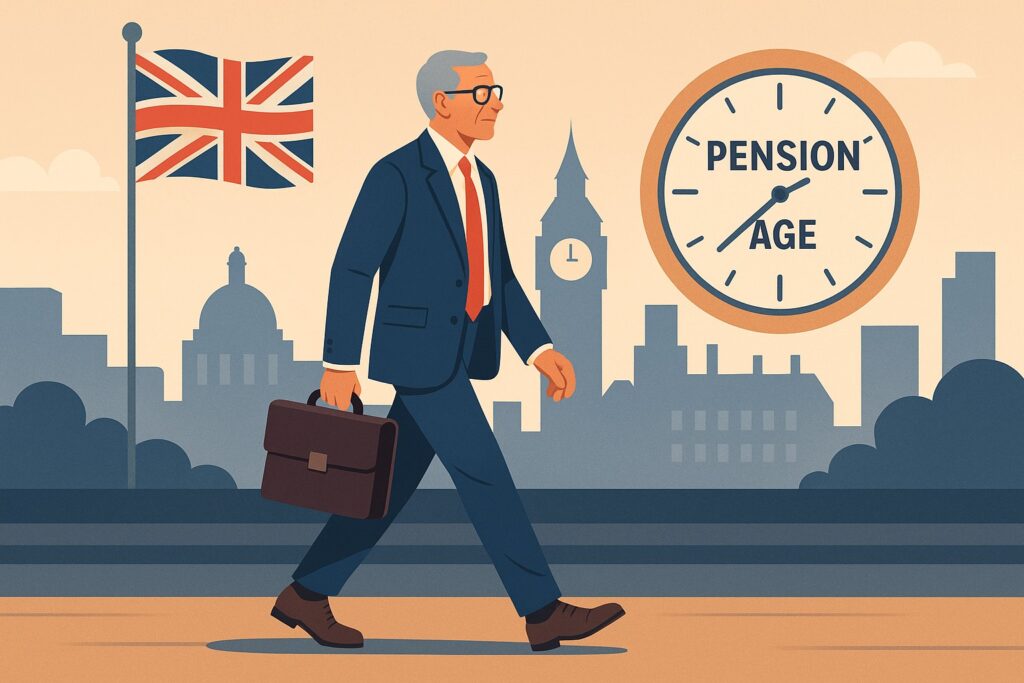
The Best Time to Move to the UK: Before 57

The number of Hongkongers migrating to the UK is on the rise, yet a seldom-discussed issue that significantly impacts later life is the timing of the move to qualify for the state pension.

The rules in the UK are clear: to receive the basic state pension, one must accumulate ten qualifying years. Under the current system, any year in which one earns at least £6,396 counts as a qualifying year, even if National Insurance (NI) contributions are not actually paid. However, this rule may soon become irrelevant, as the government is considering raising the threshold to an annual income of £12,570, at which point establishing residency in the UK would almost naturally lead to accumulating qualifying years.

It is important to note that while the UK allows for the purchase of missed NI contributions, this can only be done for years after arriving in the UK; prior years cannot be backfilled, and the current system does not permit delaying retirement to accumulate years. For Hongkongers, the countdown to pension eligibility begins the moment they arrive in the UK; the later one arrives, the less time there is to accumulate qualifying years.

So why 57? The current pension age in the UK is 66 and is set to gradually rise to 67. If one begins accumulating qualifying years after the age of 57, it becomes impossible to reach the required ten years, even with NI contributions paid.

The job market in the UK is highly flexible, making it relatively easy to reach the £12,570 income threshold. Common self-employed jobs include delivery, cleaning, lawn mowing, tutoring, hairdressing, and furniture assembly; if neighbors or friends have needs, one can also offer paid services to them.

More importantly, starting self-employment in the UK is remarkably straightforward: one simply needs to inform HMRC before the end of the tax year in October and file taxes by January of the following year. With a personal allowance of £12,570, tax liabilities for low-income individuals are also minimal. For newcomers to the UK who are restructuring their lives, this represents the lowest barrier and most flexible source of income.

Immigration is a significant life decision; with clear systems and thorough calculations, one can take confident steps forward. For those planning to settle in the UK, departing before the age of 57 is undoubtedly a safer and more advantageous choice.

The Best Time to Move to the UK: Before 57 Read More »

Hong Kong Should Stop Buying Air Conditioners

Hongkongers have become accustomed to air conditioning, yet remain indifferent to heating. In summer, they rely on air conditioning for survival, while in winter, they endure long, damp nights indoors. Ironically, the city possesses the highest density of air conditioning units globally, yet many households still depend on oil-filled electric heaters for warmth. This regressive habit is not only energy-inefficient but also unsafe and unnecessary.

Even more concerning is that the health risks of winter in Hong Kong have never been taken seriously. Multiple medical studies indicate that the winter mortality rate in Hong Kong is consistently 10-20% higher than in summer. During cold snaps, the overall mortality rate can spike by 20-30%, with the most vulnerable being the elderly, who often have low muscle strength and body fat, making them particularly susceptible to the damp cold. While severe cold is rare in Hong Kong, ‘cold’ here acts more like an invisible threat: subtle yet deadly.

However, the electric heaters that Hongkongers commonly rely on are fundamentally inefficient resistive heating devices. Their performance is perpetually stuck at a 1:1 ratio; for every unit of electricity consumed, they generate only one unit of heat. They heat slowly, consume a lot of electricity, and occupy precious floor space in already cramped homes. When viewed in this light, these drawbacks make them a decidedly irrational choice, yet they have become standard equipment in many households during winter.

Meanwhile, the split-type air conditioner, often viewed as a summer appliance, has undergone significant technological advancements. In essence, inverter heat pumps can extract heat from the outdoors and provide heating efficiency of 3-4 times. In other words, for every unit of electricity consumed, they can generate 3-4 units of heat, something that oil-filled electric heaters can never achieve. This is not mere speculation; it is the energy mainstream being promoted in mature markets like the UK, Europe, and Japan.

Inverter technology also significantly enhances cooling efficiency. Traditional fixed-speed air conditioners operate on a crude cycle of ‘run at full power, then stop,’ which inherently wastes energy. In contrast, inverter units adjust their operation based on load, consuming 30-50% less electricity than fixed-speed models. In a city like Hong Kong, where electricity costs are high and living spaces are limited, such energy savings can substantially alter living costs.

Space is also a critical factor. Oil-filled electric heaters obstruct movement in winter and have no place to store in summer, while wall-mounted heat pumps do not take up floor space and can be used year-round. Hong Kong homes simply do not have spare square footage for inefficient old appliances.

The core issue has never been about ‘which machine to buy,’ but rather ‘whether our mindset has evolved.’ Hongkongers frequently need to replace their air conditioners, yet some still opt for models that only provide cooling to save money, only to purchase electric heaters later when they feel cold in winter. This practice is no longer justifiable in a city where energy is expensive, the population is aging, and winter mortality rates remain high.

Hongkongers should stop purchasing air conditioners that only cool. Every time they replace a unit, they should switch to inverter heat pumps, allowing their homes to truly enter the modern age.

Hong Kong Should Stop Buying Air Conditioners Read More »

Reduce Flights for a Deeper Travel Experience

Hongkongers love to fly; it is both a habit and a part of their culture. However, air travel has a high carbon footprint, and it is one of the lifestyle choices that ordinary people can most easily adjust.

The British often say, “You don’t have to fly to travel.” In fact, in this island nation, stunning scenery is all around. The rugged beauty of the Scottish Highlands, the tranquility of Loch Ness, the wildness of Snowdonia, and the charm of the Lake District are all world-class destinations. From London or Manchester, one can reach these places without boarding a plane, relying instead on trains, buses, or electric vehicles. Slowing down allows for a deeper and broader appreciation of the surroundings.

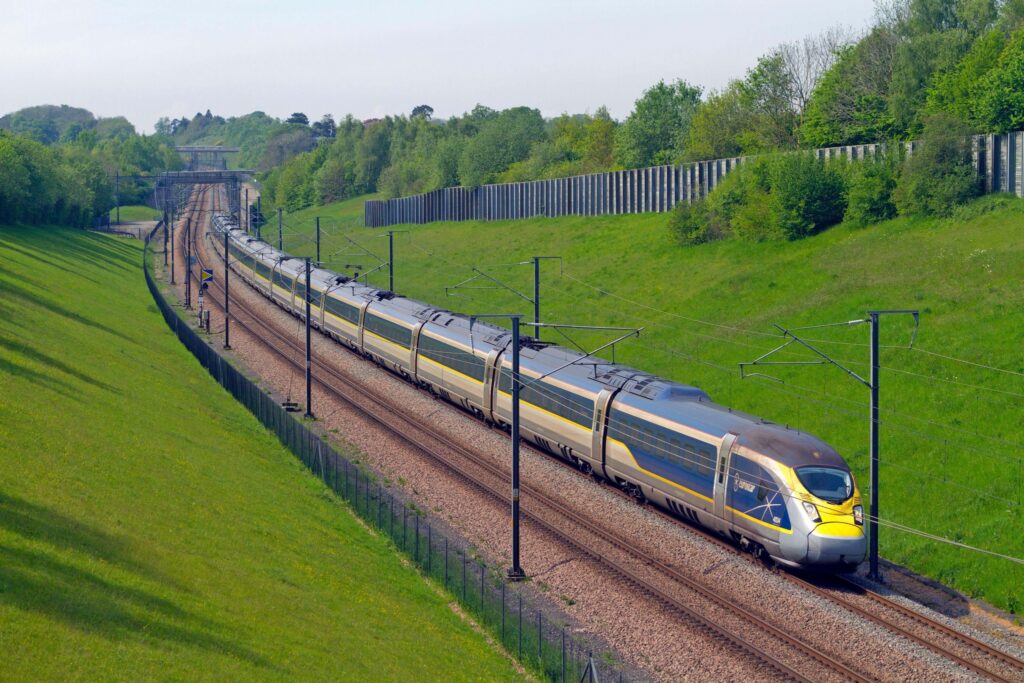
If one wishes to venture to the European mainland, flying is not a necessity either. The Eurostar provides direct access to Paris, Brussels, and Amsterdam, and high-speed trains can take you further into the continent. Many believe that rail travel is time-consuming, but from another perspective, sitting in a carriage while enjoying the scenery and experiencing the rhythm of cities is the essence of the journey. For those with limited time, a compromise is possible: fly to the destination and take the train back. This halves emissions while still offering a rich travel experience.

Driving an electric car adds even more freedom. The Eurotunnel connects Folkestone to Calais in under 40 minutes, while a ferry from Dover to Calais takes just two hours. From there, one can head northeast to Estonia, southeast to Greece, or southwest to Portugal, embarking on a classic European road trip. Compared to waiting in airport lines, the autonomy and flexibility of driving are more suitable for family travel.

For those staying in Hong Kong, travel does not have to equate to flying. The density of country parks in Hong Kong is rare among major global cities. Sai Kung Bay, the sunset at Phoenix Mountain, and the tranquility of South Lantau are all within an hour’s drive. For cross-border travel, the Greater Bay Area along the high-speed rail line, as well as Zhaoqing and Guilin, are popular destinations with distinct local cultures and expansive views.

When flying is necessary, it can be approached more strategically. Instead of flying four times a year for one week each time, consider flying twice a year for two weeks each trip. The total holiday time remains unchanged, but flight frequency is halved, reducing emissions and saving on airfare. The journey becomes more immersive and, consequently, more enjoyable.

The purpose of travel is to see the world, not to accumulate flight miles. Flying is not a sin, but it is indeed one of the behaviors that individuals can change most effectively. The world is vast, and we can explore it in a more thoughtful, relaxed, and responsible manner.

Reduce Flights for a Deeper Travel Experience Read More »

Rebuilding Tai Po After the Hong Fuk Court Tragedy

The devastating fire at Hong Fuk Court claimed over a hundred lives and left more than 4,000 people homeless. The pain is profound, and the pressing question in the aftermath is how to help residents start anew. Hong Fuk Court, completed nearly 40 years ago, was built in a time when Hong Kong’s concrete structures were typically designed for a lifespan of 50 years, extendable to 75 years with proper maintenance. Given that multiple units were severely damaged in the fire, the cost of repairs would be exorbitant, and safety concerns would linger, overshadowed by the trauma of the disaster. It is unreasonable to expect residents to return to live under such circumstances.

From the perspectives of engineering, human sentiment, and financial considerations, the most pragmatic approach would be to demolish the entire estate and relocate the residents. Compensation must be adequate, and the Urban Renewal Authority’s standard of ‘seven years of age’ for property acquisition could serve as a reference for government compensation. If residents receive a fair amount, they could purchase subsidized housing or private flats nearby, or even choose to relocate to the Greater Bay Area or the UK, thereby establishing a new life. The key is to return the choice to the victims, rather than forcing them back to the site of their trauma.

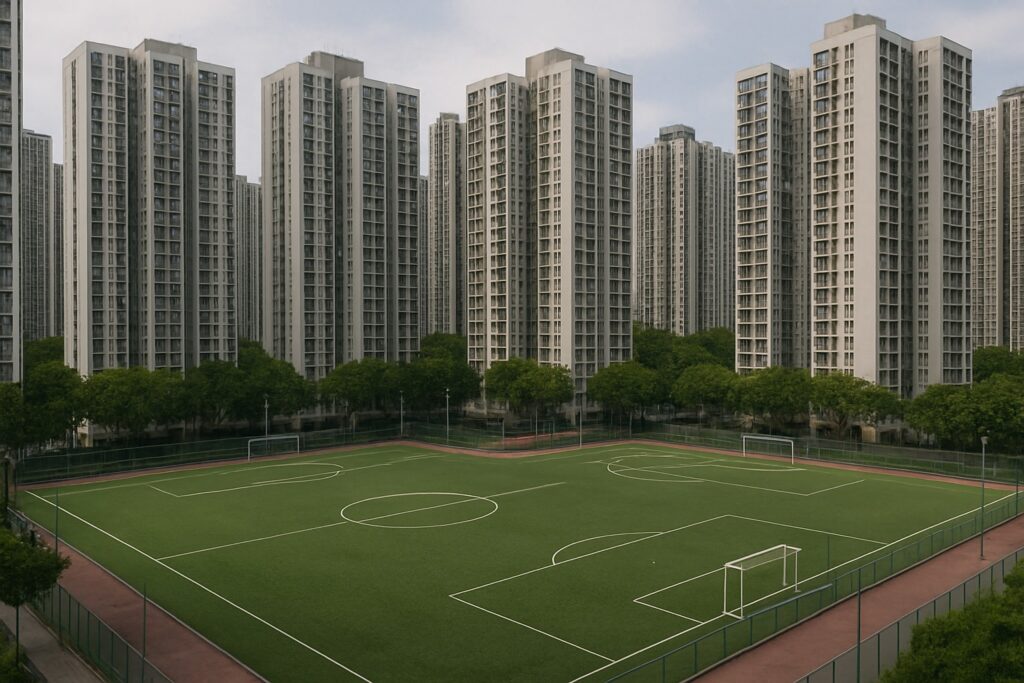
The site of Hong Fuk Court can accommodate both the relocation and financial functions. By relocating Kwong Fuk Sports Ground, Kwong Fuk Park football pitch, and the Yuen Chau Tsai gas station to this site, the original locations can be freed up for sale, generating funds for compensation and reconstruction, thereby expediting the resettlement of disaster victims. Sale terms should also include a priority purchasing right for former residents of Hong Fuk Court, giving them the opportunity to rebuild their lives within the community, thus creating a solution that balances human compassion with financial viability.

A portion of the land should also be preserved for public memory. A simple monument could be established at the former site of Hong Fuk Court, alongside a permanent outdoor exhibition area showcasing lessons learned from the fire and escape knowledge, serving as a reminder to the city to avoid repeating such tragedies.

The tragedy of Hong Fuk Court will not be forgotten. True remembrance lies in enabling residents to embark on a new life with dignity, allowing the community to heal and renew.

Rebuilding Tai Po After the Hong Fuk Court Tragedy Read More »

Challenges and Preparations for Returning to Hong Kong

In recent months, an increasing number of Hong Kong residents who moved to the UK are reconsidering their decision. Initially planning to settle in Britain, many are now facing various challenges related to lifestyle, children, and work, compounded by increasingly stringent immigration policies. For some, failing to meet new requirements has become the final straw. Leaving was difficult, but returning is even harder. After several years away, people have changed, habits have shifted, and Hong Kong itself has transformed; upon returning, various disparities will inevitably arise.

The first challenge is housing. Many Hong Kongers live outside London, where property prices are lower and space is abundant. A three- or four-bedroom detached or semi-detached house typically comes with front and back gardens, a garage, and parking spaces; children have their own rooms, and storage is never an issue. Selling a house in the UK, even if it yields a significant sum, often translates to only a small unit in Hong Kong. Although the property market has cooled, prices per square foot remain high, leading to a rapid contraction of living space, necessitating the disposal of furniture and belongings, and a complete adjustment of lifestyle.

Education presents a significant gap. Children immersed in English in the UK have made remarkable progress; however, their mathematics skills often lag behind local peers, and their Chinese may have deteriorated over the years. Upon returning to Hong Kong, they must quickly catch up. International school fees are exorbitant, while local schools have a fast-paced curriculum with comprehensive demands, placing considerable pressure on language and academic performance.

The challenges in the workplace are stark. The minimum wage in the UK is relatively high, allowing even low-skilled workers to maintain a decent standard of living; in contrast, Hong Kong’s statutory minimum wage is only one-third of that in the UK. If one returns and continues in unskilled positions, a pay cut is almost inevitable. Furthermore, workplace culture is vastly different; Hong Kong’s environment is fast-paced, with long hours and intense competition, making it difficult for UK experience to translate directly, and readjusting is no easier than arriving in the UK for the first time.

The disparity in lifestyle is equally pronounced. In the UK, driving out of the city, enjoying the seaside, and shopping in the countryside are part of many families’ routines; in Hong Kong, car ownership is expensive, parking is scarce, and roads are congested, making driving a burden rather than a pleasure. Fortunately, Hong Kong’s public transport system is extensive and frequent, allowing for convenient daily life as long as one is not overly attached to driving.

Finally, there are the social connections and relationships. The neighborhood ties, school communities, and new friendships established in the UK have become integral to life. Returning to Hong Kong means not only rebuilding a social circle but also readjusting to the city’s density and pace. Friends who shared winters abroad and watched their children grow suddenly feel distant, and this separation is indeed hard to digest.

Returning is not a failure; it is merely another choice. Every choice comes with its costs and burdens. If you are preparing to embark on the journey back, may you be mentally prepared and possess the courage to start anew. Wishing everyone good luck.

Challenges and Preparations for Returning to Hong Kong Read More »

The Decline of Container Terminals: An Opportunity for Hong Kong

Hong Kong’s container throughput has been on a steady decline, a fact that is undeniable: from a peak of 24.38 million TEUs in 2011, it fell to just 13.69 million last year, nearly halving; in the first half of this year, it was only 6.58 million. This is not an isolated incident but a long-term trend. The global shipping map has been redrawn, and Hong Kong’s transshipment advantage is unlikely to return.

With the comprehensive upgrades of ports in the Pearl River Delta, foreign trade no longer needs to detour through Hong Kong; large automated terminals are more efficient, have larger hinterlands, and lower logistics costs than those in Hong Kong. Shipping companies are increasingly concentrating on massive port areas like Nansha and Yantian to reduce costs. Hong Kong’s limited land and narrow roads hinder its logistics capacity, naturally marginalizing its throughput. The annual decline in port activity is not a management issue but a consequence of changing international divisions of labor, a fate that is difficult to reverse.

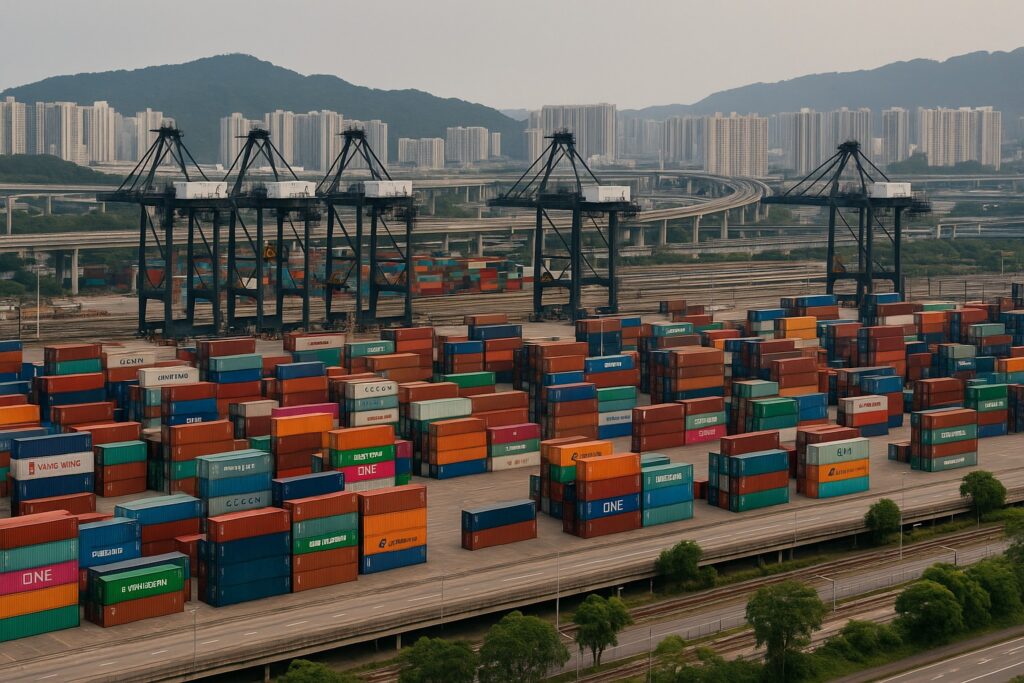
The utilization rate of the Kwai Chung container terminal is only above sixty percent and is still declining. As throughput decreases, the marginal cost per container increases, making it impractical to maintain full operations in the long term. Rather than clinging to the illusion of past prosperity, it is better to face reality, return the land to the city, and utilize the decline for transformation.

The flat terrain of Kwai Chung terminal, along with its contiguous land and complete infrastructure, is a rare find in Hong Kong. With the Route 3 highway and three railway lines (Tung Chung Line, Tsuen Wan Line, and East West Line) nearby, such a large area of developable urban land should not be left idle for an unnecessary transshipment port. This is a waste of the city’s future.

Therefore, the government must discuss with terminal operators the reclamation of part of the land for redevelopment into residential, research, commercial, and community facilities. This will not only supply land but also be an environmental victory. If the city can effectively utilize existing resources, there is no need to excavate mountains or build extensive roads and railways in new development areas, nor to spend trillions on land reclamation for artificial islands. Instead of expanding, it is better to make good use of the existing, well-developed prime locations, shifting development pressure back to the urban area, reducing commuting distances, and making Hong Kong more compact and environmentally friendly.

Many port cities around the world, such as Rotterdam, Hamburg, and London, have transformed decommissioned old port areas into new towns, finding new urban vitality from declining old industries. Hong Kong stands at the same crossroads today. The decline of container terminals is a global trend that will not reverse; however, the future of the land remains in the hands of officials. Let Hong Kong be liberated from outdated logistics logic and rebuild a more rational and sustainable urban landscape.

The Decline of Container Terminals: An Opportunity for Hong Kong Read More »

Hong Kong Must Prepare for Six-Metre Storm Surges

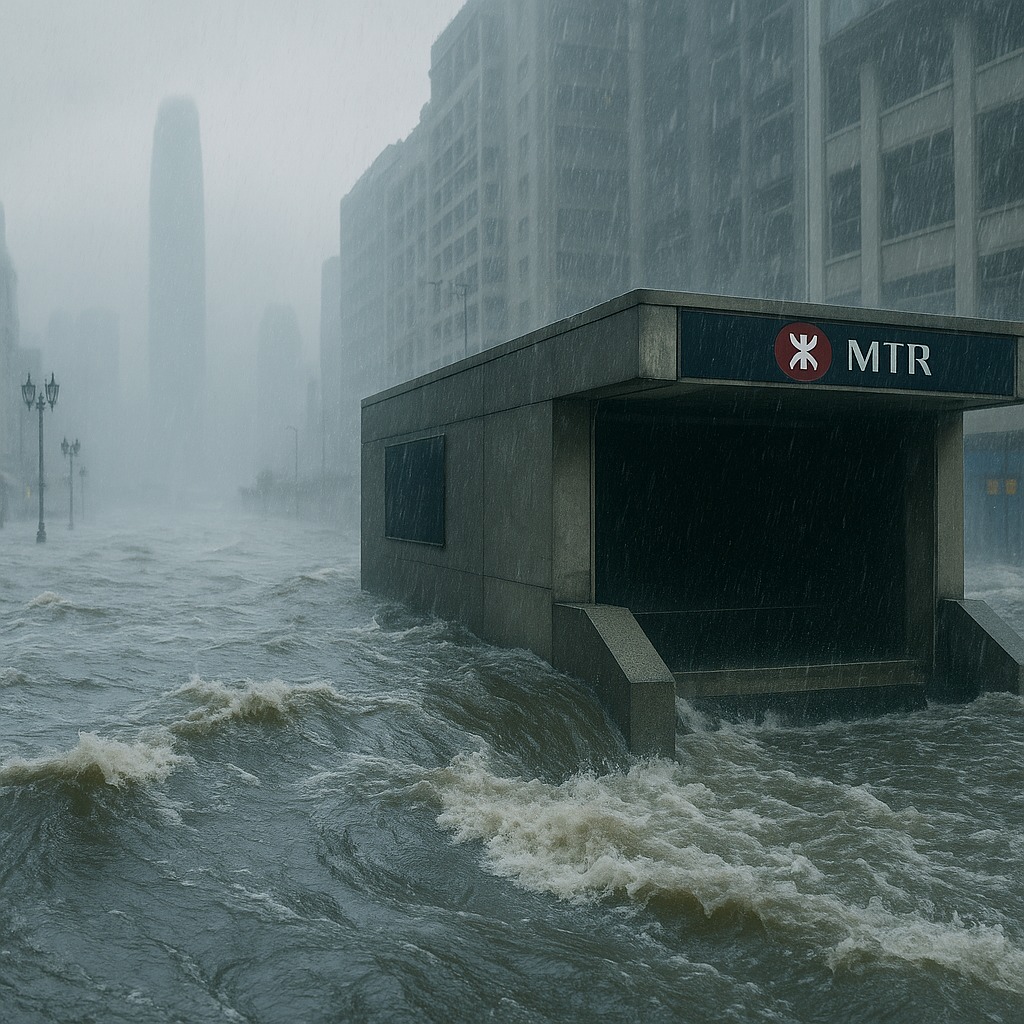
When discussing rising sea levels, it is essential to clarify the concept of Chart Datum (CD). This is an extremely low tidal reference point, set below the average lowest tide, with sea levels typically above this benchmark. In Hong Kong, during non-storm conditions, the astronomical high tide at Chai Wan reaches approximately 2.75 metres; once the water level hits 3 metres, coastal areas begin to flood, and at 4 metres, significant damage occurs. However, most areas along Victoria Harbour are designed to a height of only about 4 metres, placing them perilously close to the risk threshold.

Historically, two major records—Typhoon Wanda in 1962 and Typhoon Mangkhut in 2018—pushed the water levels in Victoria Harbour close to 4 metres, enough to paralyse large sections of the city. Alarmingly, on both occasions, Hong Kong narrowly avoided the worst-case scenario: the surge did not coincide with the astronomical high tide. For instance, Mangkhut’s surge of approximately 2.35 metres, when added to the 2.75 metres of high tide, could have resulted in a water level of about 5.1 metres, far exceeding current defenses. Moreover, neither Wanda nor Mangkhut were the most intense super typhoons; should a stronger storm directly strike or pass within tens of kilometres south of Hong Kong during high tide, water levels would rise even higher. Such strokes of luck are unlikely to repeat.

Looking further back, a storm in 1874 pushed the water level in Victoria Harbour close to 5 metres, clearly demonstrating Hong Kong’s natural limits. Sea levels are gradually rising, and high-water events are becoming increasingly frequent; under a scenario of a 1.4-metre rise, extreme water levels of about 4.7 metres could occur once every ten years. For a city that begins flooding at 3 metres and suffers severe damage at 4 metres, this indicates that extreme events are shifting from rare occurrences to periodic threats.

In light of this outlook, Hong Kong must ultimately decide how to construct its defenses. The most straightforward approach would be to raise coastal seawalls to an average height of 6 metres, but this would come at an exorbitant cost and transform the waterfront into concrete barriers, damaging the landscape and public spaces. Another option is to build three large seawalls around the periphery of Victoria Harbour—an eastern dam connecting from Fat Tong Au to Cape Collinson, a southern dam from Mo Sing Leng to Discovery Bay, and a western dam from the airport to Castle Peak—effectively enclosing Victoria Harbour as a semi-closed inland sea. Although such port dams are extremely costly, they can simultaneously withstand storm surges and tsunamis, providing the most comprehensive hard defense. As for shipping channels, large openings could be reserved in the dams for the passage of large vessels, or container and cruise terminals could be relocated outside Victoria Harbour to create a complete defensive line.

However, before discussing any proposals, authorities should assess the casualties and economic losses that would result from storm surges or tsunamis elevating water levels to 6 metres. This would help the public understand which areas of the city would be lost in the worst-case scenario, how much infrastructure would be incapacitated, and what the financial costs would be. Without this baseline awareness, the public cannot engage in a meaningful discussion about what constitutes reasonable flood prevention standards.

Finally, climate change remains the fundamental challenge. While Hong Kong must prepare for extreme scenarios, it is even more crucial to reduce emissions and mitigate global sea-level rise. To withstand the impact of the next powerful typhoon, the city must undertake two simultaneous actions: prepare in advance and address the crisis at its source. We have already witnessed nature’s limits, and whether the city can endure the next impact depends on whether we are willing to take that step today.

Hong Kong Must Prepare for Six-Metre Storm Surges Read More »

The Absurd Experiment of Battery Light Rail

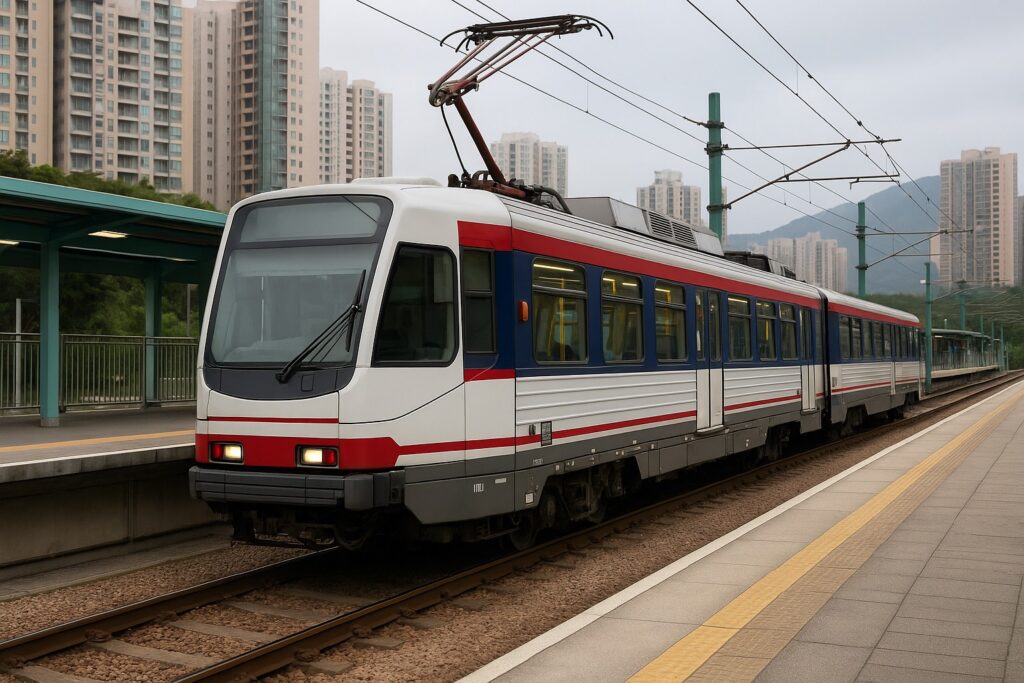
Since its inauguration in 1988, Hong Kong’s light rail has served as a vital transportation system for Tuen Mun and Yuen Long for over thirty years. While the system may not be glamorous, it is reliable. The real issues lie in insufficient passenger capacity and outdated planning, not in the mode of power.

Yet, there are advocates for a ‘battery light rail’, as if removing overhead cables is a step forward. This notion is both illogical and financially unsound. The primary costs of light rail are land acquisition, planning, and civil engineering, which are already sunk costs and will not be recouped by merely changing the power source. Battery production requires mining, refining, and assembly, inevitably generating carbon emissions; moreover, the land freed up by removing cable poles is long and narrow, making it unlikely to be repurposed for other uses.

Batteries are not lightweight; battery trains will certainly be much heavier than the current ones. Anyone familiar with Newton’s second law knows that to maintain the existing acceleration, one would need to employ more powerful and expensive electric motors. An increase in weight will lead to higher energy consumption. Battery trains will also require regular returns to the depot for charging, meaning they cannot carry passengers while at the depot, necessitating the purchase of additional trains to maintain current service frequencies. If charging is concentrated at night, the depot will need to install high-capacity power supply facilities. All these factors combined mean that the costs will far exceed those of maintaining the existing power supply system. Replacing overhead cables might cost a few hundred million, but fully adopting battery trains could run into tens of billions, resulting in a heavier, more energy-consuming, and harder-to-maintain system—how can this be justified?

In the UK, battery trains are being researched for remote branch lines due to the high costs of adding overhead cables to low bridges and narrow tunnels left over from the Victorian era. Similarly, Germany and Japan only use battery trains to replace diesel trains on non-electrified, low-frequency routes. To dismantle an already established, functional, and reliable power supply system in favor of a heavier and more expensive battery system would likely become an international laughingstock if realized.

Even more absurdly, MTR Corporation recently tested hydrogen-powered light rail, only to discover that the low-floor trains did not match the height of existing platforms, forcing them to halt the project. This issue, which one could easily foresee, required the physical testing of trains to uncover, revealing a shocking lack of understanding of technology by the authorities.

Light rail is not perfect, but its original design was forward-thinking, accommodating wheelchair users, producing zero emissions, and providing deep community routes to serve residents for decades. What needs to be done today is to enhance passenger capacity and improve the passenger experience, rather than waste public funds on futile experiments that squander time.

Misdiagnosing the problem will render all efforts futile. What light rail needs is pragmatic reform, not a doomed dream of battery power.

The Absurd Experiment of Battery Light Rail Read More »

Scroll to Top