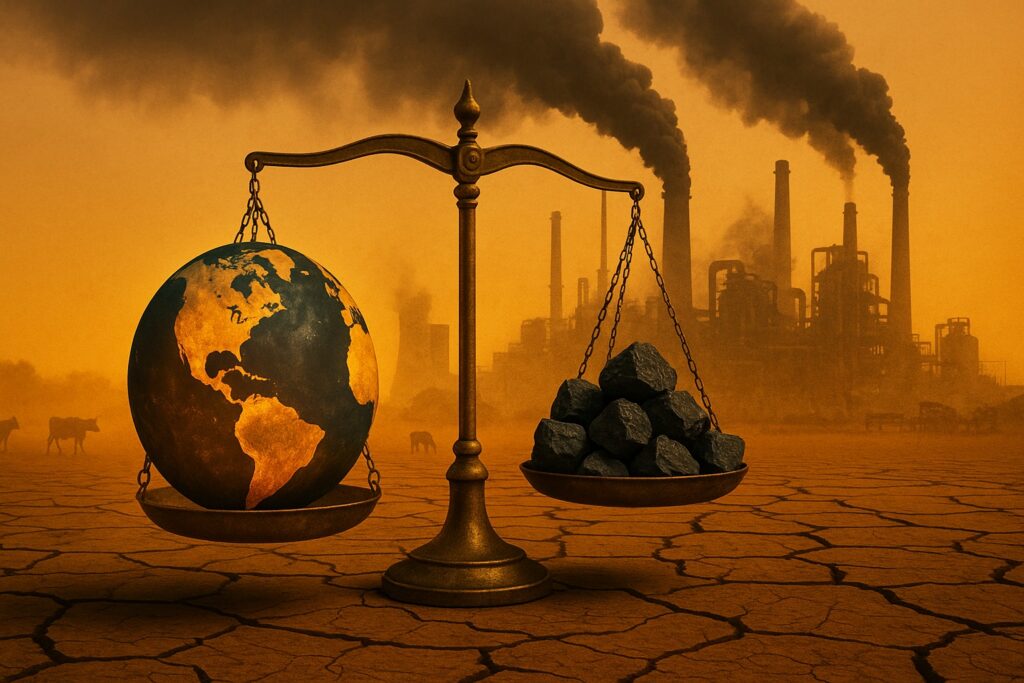
In 2020, the shipping industry implemented a comprehensive ban on high-sulfur fuel, leading to a curious reversal in climate discussions. Recent studies suggest that this policy, originally aimed at improving air quality, could result in an additional global warming of 0.05°C in the short term. The reason is not mysterious: the sulfate aerosols produced from burning high-sulfur fuel reflect solar radiation and enhance the brightness of low clouds over the ocean, creating a cooling mask that has persisted for years. When this mask is rapidly removed on a global scale, the warming already locked in by carbon dioxide becomes more pronounced.
However, this does not imply that decision-makers are ignoring science. The core rationale for the sulfur ban has never been climate-related but rather focused on public health. The fine particulate matter and acid pollution emitted from high-sulfur fuel have direct and clear detrimental effects on the respiratory and cardiovascular health of port cities and coastal communities. These impacts can be quantified and immediately mitigated through policy. In contrast, the 0.05°C increase is an indirect consequence at the level of the overall climate system, making it difficult to justify the retention of pollution. Consequently, the governing rules are not dictated by the climate sector but by the shipping regulatory framework grounded in safety and health, such as the International Maritime Organization.
Given that the short-term warming effect of the sulfur ban is more apparent, a seemingly compromise suggestion has emerged in recent years: should high-sulfur fuel only be banned in nearshore and port waters while allowing ships to continue using it in the open ocean to retain some cooling effects while alleviating health impacts along the coast? This concept appears reasonable on paper, but it fails both physically and institutionally. Sulfate aerosols do not remain offshore; they diffuse to coastal areas and even inland within days due to atmospheric circulation. Moreover, sulfur ultimately returns to the surface through deposition, causing acid rain and ocean surface acidification, which harm ecosystems. Pollution does not respect coastal boundaries; simply increasing sulfur emissions offshore is merely a fantasy.
A deeper issue lies in the temporal structure of climate governance. The cooling effect of sulfur is a typical flow effect that requires continuous emissions to exist; in contrast, carbon dioxide is a stock problem that can accumulate in the atmosphere for hundreds of years once emitted. Intentionally retaining high-sulfur fuel as a climate buffer would only establish system stability on a form of pollution that will eventually be phased out, laying the groundwork for a more severe warming rebound in the future. From this perspective, that 0.05°C is not new warming caused by the sulfur ban but rather a reality that has long existed, merely obscured in the past.
Therefore, the ban on high-sulfur fuel is not a result of scientific ignorance but rather a choice grounded in clear value judgments. It rejects the extension of a fragile climate illusion at the expense of health and the environment, compelling society to confront the real challenge: when the mask is removed, the only sustainable path to cooling is to reduce greenhouse gas emissions more quickly and thoroughly, rather than seeking gray areas of pollution between nearshore and offshore.