For many years, the phrase ‘turn off the lights when you leave the room’ has been regarded as an entry point into environmentalism. However, with the widespread adoption of LED lighting, the practical impact of this advice has diminished significantly. LEDs consume 80-90% less electricity than incandescent bulbs, and lighting now accounts for only about 10% of annual electricity use in British households. Even if one diligently turns off lights upon leaving a room, the monthly savings on electricity bills amount to less than £1. In comparison to the ‘big energy consumers’ such as heating, hot water, and automobiles, a few light bulbs hardly make a difference.
The same applies to collective lighting-off events. Records from the electricity grid repeatedly show a slight drop in load during designated periods, which is soon compensated, resulting in negligible overall change. Some participants even resort to using candles or driving to join these events, effectively shifting emissions from low-carbon electricity to high-carbon fuels, where the symbolic gesture outweighs the actual impact.
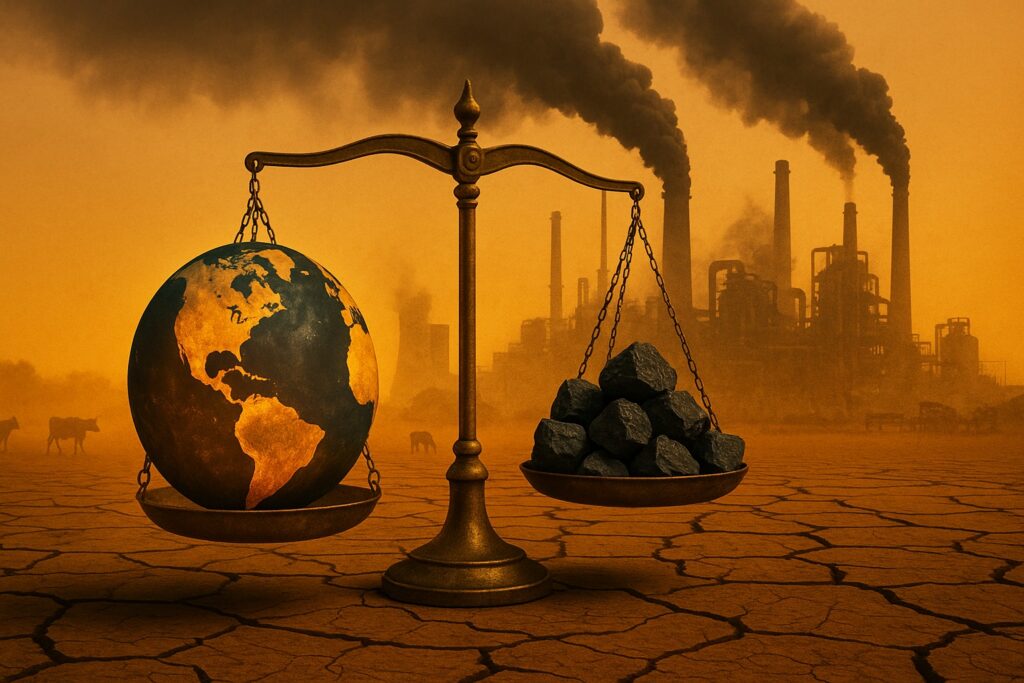
The adverse effect is also the blurring of public messaging. When governments and organizations consistently exaggerate ‘easy but ineffective’ actions as core environmental practices, citizens may develop the illusion that they are doing their part for the environment, thereby overlooking truly impactful decisions: how often they fly in a year, their red meat consumption, whether their homes are insulated, if they will install solar panels and batteries, and whether they will switch to electric vehicles and heat pumps. These choices can drastically reduce hundreds or even thousands of kilowatt-hours or gas, serving as the real backbone of carbon reduction.
To genuinely reduce carbon emissions, one must first understand the proportions involved. Lighting is merely a small fraction; the real numbers lie elsewhere. Turning off lights can be done, but it should not obscure our vision. What determines the future is not a single light bulb, but our willingness to implement genuinely effective emission reduction measures.