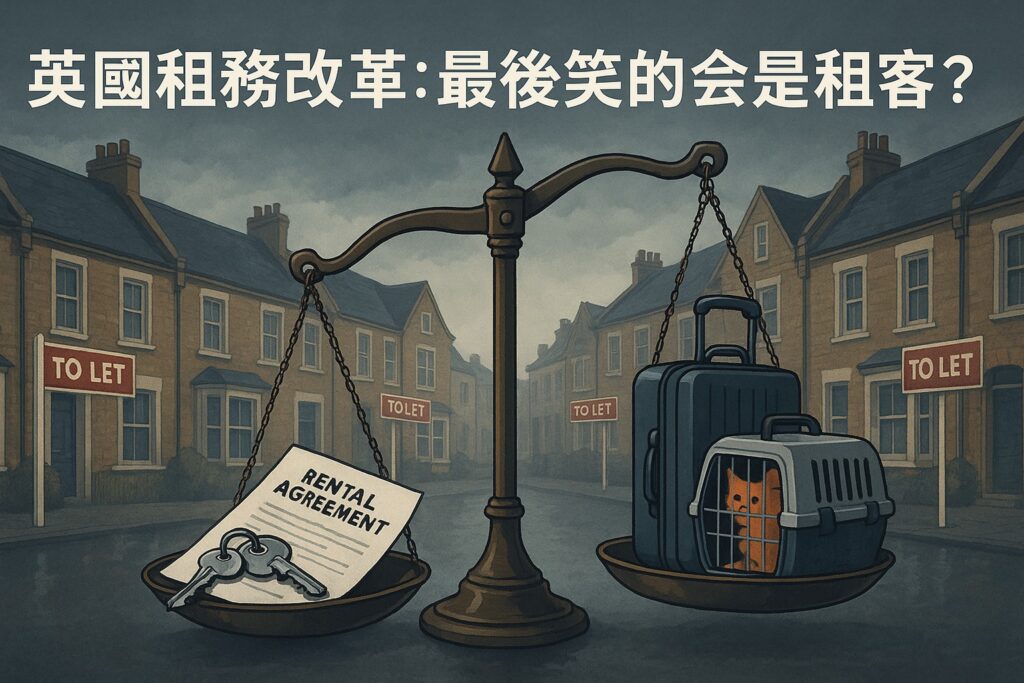
Someone moves to Britain, works, pays tax and National Insurance, and pays the Immigration Health Surcharge on top. They plan to secure permanent residence, continue building their life here and eventually retire. Several years later, the government changes the conditions. Some people must wait longer; others must demonstrate a higher standard of English. If they ultimately cannot stay, the government keeps their taxes and National Insurance contributions, while they may lose access to the long-term protection they expected. Is it fair for a system to require people to support others while they can, then raise the barriers to receiving support themselves?
State pensions and public healthcare both involve mutual support: people contribute before drawing on protection. State Pension eligibility and payments depend directly on qualifying years on a person’s National Insurance record. The NHS is funded mainly through general taxation, with healthy people and those earning an income helping to cover the costs of treating others. Paying tax when young and receiving more care in old age is an important part of how this works. The system also redistributes resources between income groups and people with different health needs. Nobody is guaranteed to receive exactly what they paid in. But trust depends on participants believing they will still have a fair opportunity to belong to the system when they need its protection.
Migrants who arrive as working adults often enter Britain during a relatively productive stage of their lives. Their childhood education and upbringing have generally already been funded by their families or countries of origin. Britain receives people ready to work, pay taxes and provide services. Younger people also have lower average healthcare and care needs than older people. The Office for Budget Responsibility’s long-term modelling reflects this pattern of revenue and spending across a lifetime. Individual net contributions depend on earnings, family circumstances and health. But the fact that someone will eventually grow old should not turn their retirement protection into an unexpected burden, while their preceding years of contributions are overlooked.
Migrants required to pay the Immigration Health Surcharge must do so in addition to their ordinary taxes. The current standard adult rate is £1,035 a year, usually payable upfront for the relevant period when applying for or extending a visa. For someone young, healthy and employed, this is an additional healthcare payment on top of their wider contribution to the public finances. In effect, it amounts to double taxation. If tougher settlement requirements force them to extend their visa, the same household may have to pay thousands of pounds again simply to remain in the country.
Higher English requirements affect several categories of settlement applicant. The reform framework published in November 2026 establishes B2 as the standard English requirement for settlement, subject to applicable exemptions. BN(O) visa holders retain their route to applying for settlement after 5 years, but the higher English requirement could still prevent people who prepared for B1 from settling as planned. The same principle applies to other affected migrants. Even when the qualifying period remains unchanged, the eligibility threshold can rise. People who have already spent years working and paying taxes may have to pay for another visa extension, or ultimately find themselves unable to stay.
Better English can help people work and participate in society. But passing a more demanding examination cannot fully measure someone’s contribution. Some people have spent years working, paying taxes and caring for their families without reaching B2. Others prepared for the original standard and may now need additional lessons, further examinations and time to study. If they cannot meet the new requirement before their visa expires, they may need to extend it. Raising the English requirement by one level can therefore mean thousands of pounds in additional costs and a longer period of uncertainty for a family.
Skilled workers also face the risks of their employer going bankrupt, redundancy or problems with their employer’s sponsorship status. Extending the wait for settlement prolongs their exposure to those risks. Their circumstances differ from those of BN(O) visa holders, but both groups may spend years working, paying taxes and complying with the rules, only to find themselves unable to stay because of new conditions or events beyond their control. Their contributions continue to accumulate, while their prospects of securing long-term protection remain uncertain.
The State Pension makes this imbalance particularly clear. The new State Pension generally requires at least 10 qualifying years on a person’s National Insurance record. Eligible people can claim it abroad, and permanent residence is not a prerequisite. But consider someone who intended to obtain settlement and continue working. Additional costs, English requirements or sponsorship risks could force them to leave before accumulating 10 qualifying years. They could then receive no State Pension at all when they retire. The government has collected their contributions, yet those years may never translate into a pension.
Contributions to the NHS and the protection it provides operate across a lifetime. Legally, healthcare entitlement does not accumulate according to the amount of tax an individual has paid. Nevertheless, working people fund treatment for those who are ill, then receive support themselves when they become ill or grow old. This remains an important foundation of public healthcare. If migrants support the system while young and healthy, but are forced to leave because settlement requirements are raised after their arrival, they lose the opportunity to receive that protection in Britain in old age.
The government can require migrants to learn English and set clear conditions for future arrivals. But people who have already invested years in an established route to settlement need adequate transitional protection when the rules change. The government cannot accept their contributions while they are working, healthy and earning, then raise the barriers and force them to leave, leaving years of contributions unable to secure retirement protection. That amounts to confiscation in practice. Should people already in Britain on a route to settlement be allowed to apply under the original residence periods and English requirements? Share your view in the comments.