In high-latitude countries such as Canada, the Nordic nations, and the United Kingdom, winter days are often characterized by sparse sunlight, with overcast skies leading to prolonged periods without sunshine. During these times, wind and solar energy can experience significant shortfalls, creating what can be described as an “energy drought”. Such conditions may persist for one or two weeks, rapidly amplifying the gap in renewable energy supply. To transition towards a truly stable green energy society, addressing this darkest and most challenging period is paramount.
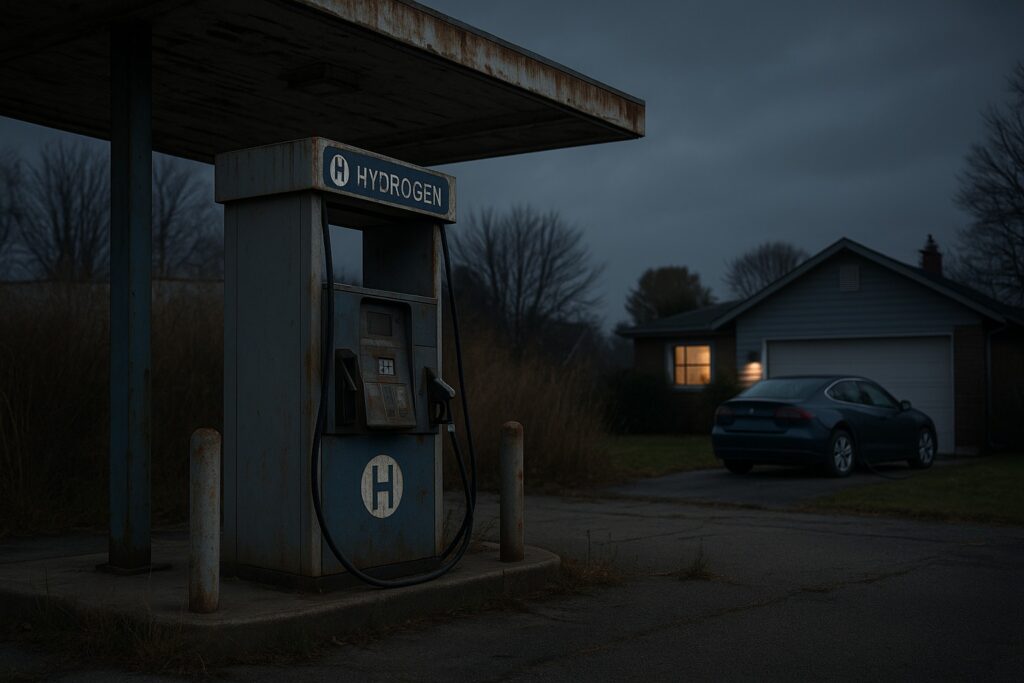
While lithium batteries are mature technology, they can only manage short-term fluctuations, typically sustaining energy for just a few hours. To extend this duration to several days, costs escalate linearly, making them unsuitable for supporting prolonged energy lulls. Other alternatives also come with limitations: pumped hydro storage depends on geographical features, liquid air and compressed air storage have relatively low efficiency, green hydrogen suffers from significant conversion losses, and high-temperature thermal storage requires additional equipment. No single technology can independently support the entirety of a low-energy valley; only through a combination of various solutions can we uphold the future power system.
Iron-air batteries deserve attention for their potential to fill this energy gap using a remarkably simple method. During discharge, iron oxidizes, and during charging, rust is reduced, creating a cyclical energy storage process. The materials are inexpensive, safe, and readily available, allowing for continuous energy release over several days. While they do not match the speed of lithium batteries, their endurance can effectively compensate for the weakest segments of renewable energy supply, with American power companies already deploying demonstrations.
The sand battery, promoted in Finland in recent years, is equally significant. This sand consists of specially graded silica that can be heated to several hundred degrees and retain heat for extended periods, providing regional heating and alleviating the winter load on the power grid at a low cost. While it stores heat rather than electricity, it plays a crucial role during the long winter months.
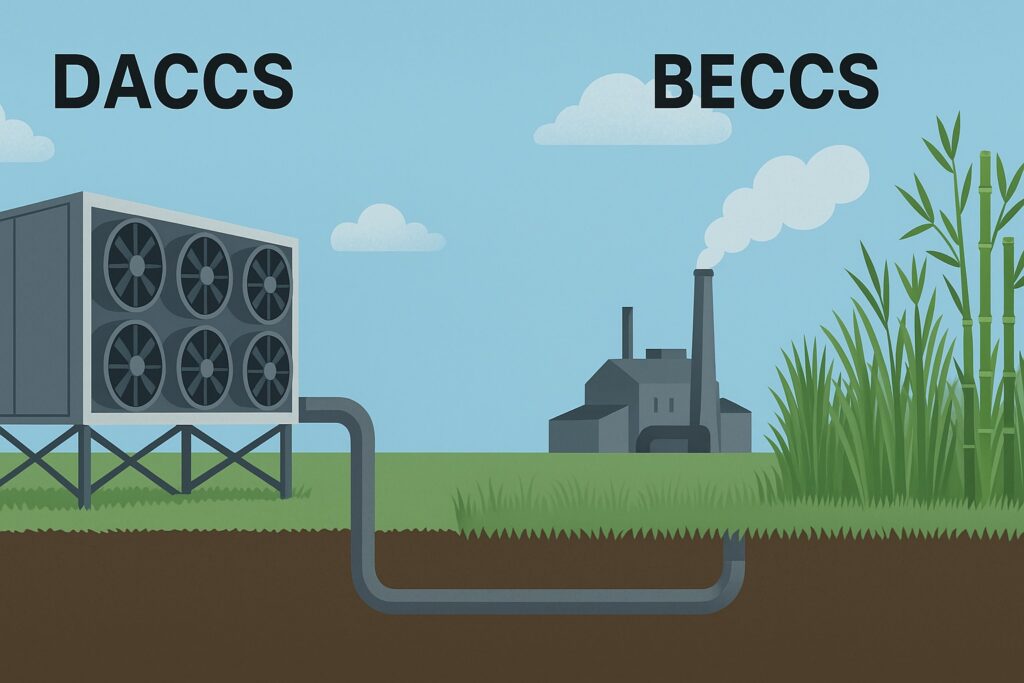
However, even with a plethora of energy storage solutions, the power grid requires additional pillars to stabilize its foundation. Cross-border grid interconnections can introduce wind and solar energy from other regions during local shortages; the “over-building” of renewable energy ensures smooth transitions during minor daily dips while injecting substantial amounts of inexpensive electricity into storage during favorable weather. Nuclear power provides year-round stability, while green hydrogen supports long seasonal gaps. Additionally, BECCS (bioenergy with carbon capture and storage) and gas with carbon capture and storage (CCS) can offer dispatchable, balanced low-carbon backup power when necessary, ensuring grid stability even in the worst weather conditions.
When the direction is clear, even rust and sand can become forces for saving the planet.