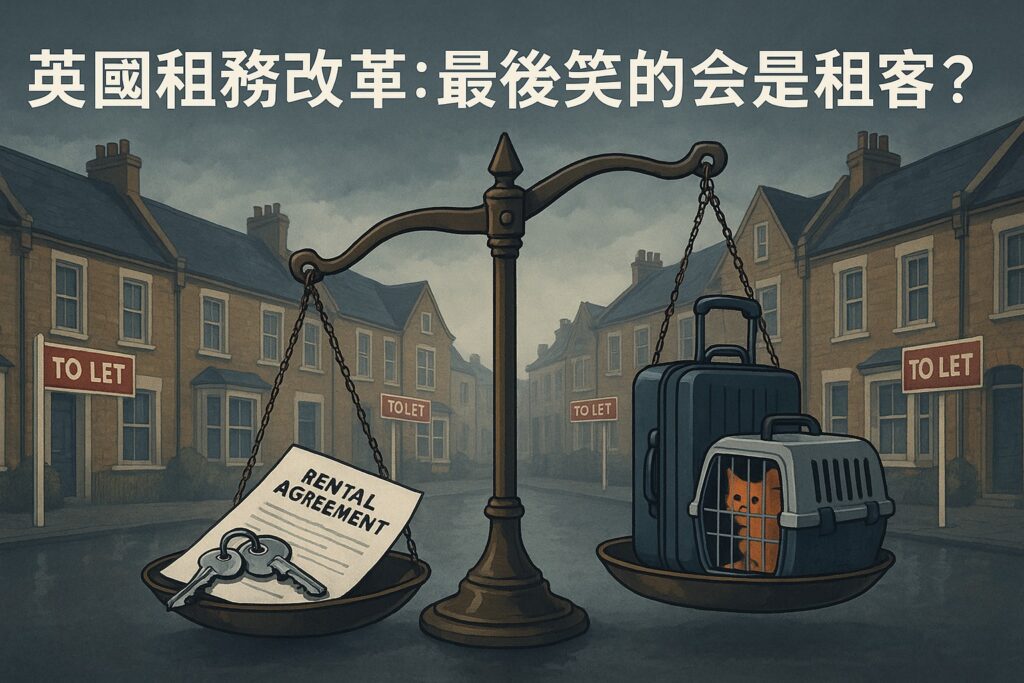
The British immigration system has evolved over a century, and while principles can be adjusted, there is one line that must not be crossed: the government cannot retroactively change the rules, nor can it push individuals who have made life decisions based on previous regulations off a cliff. The HSMP (Highly Skilled Migrant Programme) is a classic case that exemplifies the consequences of such retroactive changes, ultimately resulting in a government defeat. Today, as the government attempts to tighten residency requirements, this historical lesson is particularly relevant.
Launched in 2002, HSMP was the UK’s first large-scale initiative to attract high-skilled talent from around the globe. The guidelines were clear: after one year of residence, individuals could extend their stay for three more years, and those who were economically active for four consecutive years could apply for permanent residency. This was the UK’s commitment to the world: if you were willing to contribute, we would provide a pathway to settle down. Many made the decision to leave their home countries and start anew in the UK based on this promise.
In 2006, the government abruptly changed the rules. The first step was to extend the original four-year pathway to permanent residency to five years, not only for new applicants but also retroactively applied to all existing HSMP migrants. Many who had just completed four years and were preparing to apply for permanent residency were forced to renew their visas, incurring additional costs, scrutiny, and uncertainty in their lives.
In November and December of the same year, a more severe blow was dealt. The government abolished the previously lenient renewal rules, requiring all HSMP migrants (including those who had been in the UK for years) to pass a stricter ‘points-based test’ covering income, education, age, and UK experience, along with new English language requirements. The previous commitment that ‘reasonable efforts to integrate into the economy would suffice for renewal’ was suddenly replaced by criteria favoring higher earners. Many immigrants with extensive local experience but lower incomes, who had always complied with the law, were suddenly deemed ‘ineligible.’
Affected individuals subsequently sought judicial review. The court’s ruling was emphatic. Judge George Newman pointed out that the government had established a clear ‘reasonable expectation’ when introducing HSMP: applicants came to the UK based on the original rules and arranged their lives accordingly. The government’s subsequent tightening of rules retroactively was tantamount to undermining the life arrangements that applicants had already formed, which was both unfair and lacked sufficient policy justification. He noted that these individuals had settled, worked in the UK, and their situations had ‘crystallized’; the government could not arbitrarily change its stance at this point.
Ultimately, the court ruled in favor of the plaintiffs, ordering the government to withdraw the retroactive conditions; the government was also compelled to restore the original renewal and permanent residency pathways for former HSMP migrants, even providing supplementary arrangements for some to complete their residency under the original four or four-plus-one year terms. The HSMP case became an important precedent in immigration administrative law: policies can be adjusted, but they must not harm those who have made significant decisions based on previous regulations.
Today, the government’s consultation document proposes extending the pathway to permanent residency to ten years, using a ‘contribution’ system as a framework for adjusting the duration. While the duration itself remains open for discussion, the UK indeed needs to stabilize immigration levels and ensure social integration. However, for Hong Kong residents in the UK, due to the BNO (British National Overseas) status allowing a five-year reduction, the real concern is not the ten years but the two hard requirements proposed by the government: an English proficiency level raised to B2 and a continuous income of £12,570 for three to five years.
If these two requirements are applied retroactively to all who have yet to obtain permanent residency, the consequences would mirror those of the HSMP case. Many housewives, part-time workers, self-employed individuals, full-time caregivers, and students, or those whose income has not met the threshold due to career changes, would be directly excluded from permanent residency; the B2 English requirement is significantly higher than the current B1, potentially rendering many long-term Hong Kong residents suddenly ‘ineligible.’ The core of judicial scrutiny is not whether the government can set new thresholds, but whether it can overturn old commitments without consequence.
The lesson from HSMP is clear: policies can change, but procedures must remain consistent; pathways to immigration can be tightened, but they must not dismantle the lives people have built based on existing rules. If the UK forgets this principle today, the issue will extend beyond the duration of permanent residency to the very credibility of the system itself.