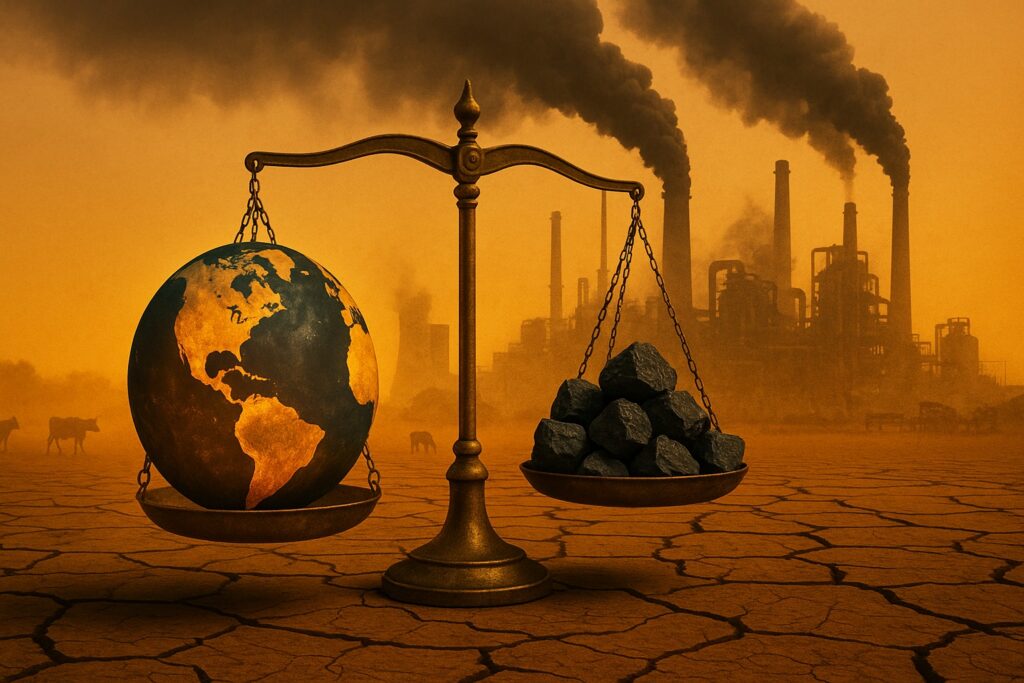
The phrase ‘cooking with open flames’ is not an ancient wisdom but rather a marketing ploy by gas companies over the years. They romanticize the flame, mythologize the smoke, and package high temperatures as ‘wok hei’. However, setting aside the promotional language, the costs of open flames are substantial: fires, oil fumes, carcinogens, and air pollution all stem from that flicker of light.
Let us begin with health. Burning natural gas or coal gas releases nitrogen dioxide (NO₂), carbon monoxide (CO), and fine particles. Numerous studies from Europe and America indicate that just half an hour of using a gas stove can elevate indoor nitrogen dioxide levels to outdoor pollution warning thresholds. In the long, cold winters of the UK, people close their doors and windows to keep warm, turning kitchens into sealed spaces where pollutants have nowhere to escape. Elderly individuals, children, and asthma sufferers cooking in these environments often inhale far more pollutants than they realize.
The issue of high-temperature cooking cannot be overlooked either. An excessive pursuit of flame can cause oil temperatures to soar, generating more oil fumes and carcinogens such as acrylamide and polycyclic aromatic hydrocarbons. These are not the essence of Chinese cuisine but rather the accumulated risks over the years. The true ‘wok hei’ is the reaction between the ingredients and the pan’s surface, not the flame itself. Induction cookers heat up quickly, respond rapidly, and maintain precise temperature control, preventing overheating and thereby preserving cooking quality while reducing oil fumes. Boiling water, cooking noodles, and stir-frying are often faster than with natural gas.
Safety is another critical factor. Open flames are the root cause of kitchen fires: towels catching fire, oil pans igniting, and embers being left behind—all due to the presence of flames. Natural gas leaks can also potentially blow up an entire house. Induction cookers, on the other hand, have no flames, no combustion, and no leaks. The cooktop only heats up when in contact with the pot, cooling down quickly once removed. Even if you place your hand on it, it merely feels warm and will not cause burns. In homes with children or the elderly, the sense of safety is not just slightly improved but elevated to an entirely new level.
Ease of cleaning is another compelling reason. Open flame stoves have complex structures, and oil fumes always find gaps to infiltrate. Cleaning a gas stove requires disassembly, soaking, and scrubbing, which is a waste of time. An induction cooker is a flat glass surface that can be wiped clean after cooking. Over time, this reduces kitchen odors and makes it harder for grease to accumulate on walls.
Some may worry about costs. Given today’s energy prices, electricity is generally more expensive than natural gas, which could lead to slightly higher cooking costs. However, the difference is limited, and cooking itself constitutes a small portion of household energy expenses. In the long run, electricity prices may not maintain the current gap with gas prices. If natural gas is eliminated from the entire house, it could also save on monthly fixed charges, accumulating to a substantial saving over the year.
More importantly, the times have changed. Cities around the world are moving towards ‘flame-free kitchens’ and ‘electrified homes’ not merely to follow trends but to enhance health, safety, efficiency, and air quality. Stir-frying, pan-frying, and enhancing flavors in Chinese cooking do not require flames; they only need sufficient heat and stable temperature control. Induction cookers excel in all these aspects.
‘Cooking with open flames’ is merely an advertising slogan that leads people to believe that fire represents flavor. What truly retains flavor is technology, time, and good ingredients, not a flame. If we can reduce the risk of fires, avoid exhaust fumes, and improve air quality, why not make the next meal easier and safer?