Excessive consumption of red meat adversely affects health. Conditions such as cardiovascular disease, colorectal cancer, and diabetes are linked to high-fat, high-calorie meats. Reducing red meat intake while increasing vegetables, legumes, and nuts leads to improved digestion, lower blood lipids, and better metabolism. There is no need for a radical overhaul; simply adjusting portion sizes can yield significant health benefits.
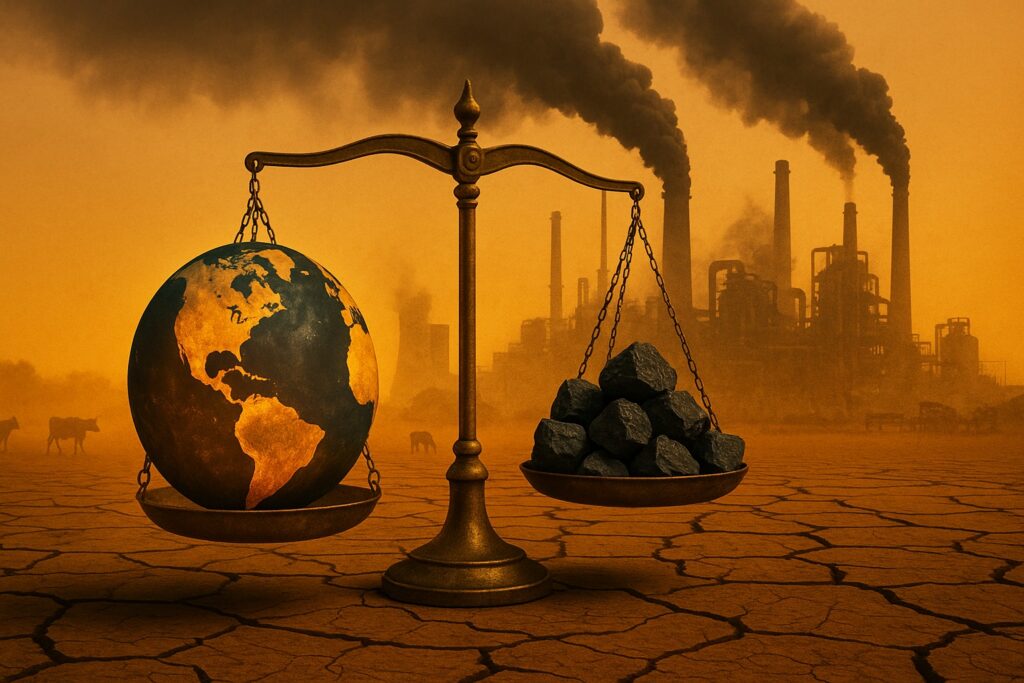
Caring for oneself also means caring for the planet. According to the United Nations and various large-scale studies, livestock farming accounts for up to 20% of global emissions. Cattle and sheep produce methane, feed requires land, forests are cleared for grazing, water sources are depleted, and ecosystems are damaged. Every steak has implications for forests, energy, and carbon emissions. In an era of rapid warming, dietary choices are not merely personal preferences but tests of the planet’s resilience.
However, dietary habits are intertwined with family, culture, and taste, making it challenging to adopt a strictly vegetarian diet. Many are reluctant to forgo the pleasures of meat. Thus, ‘flexitarianism’ has emerged as a compromise. It is not about giving up but rather about adjusting; not about prohibition but about reduction; not opposing enjoyment but ensuring that enjoyment does not become a burden on health and the climate.
The spectrum of flexitarianism is broad. Some people eat vegetarian meals one or two times a day; others may choose vegetarian options one or two days a week. Some may eliminate red meat while still consuming chicken and fish, while others may adopt a pescatarian diet, eating fish but no meat. Vegetarians consume eggs and dairy but avoid meat, and vegans abstain from all animal products. Each individual can find their own place within this spectrum without feeling compelled to conform or label others.
Change is best initiated gradually. Reducing red meat consumption by half, substituting chicken and fish, and incorporating tofu and mushrooms for protein can make a difference. Achieving one vegetarian meal a day is already a contribution; two vegetarian days a week would have an even greater impact. The core message is this: maintaining enjoyment while lessening the cost is a sign of maturity.
The changes in the UK in recent years have been particularly pronounced. The vast majority of restaurants now offer vegetarian options, from coffee shops to chain establishments. Street markets and supermarkets are also filled with plant-based foods. Vegetarianism has transitioned from a niche to a mainstream choice. If this trend can spread globally, the demand for meat will gradually decline, and emissions will naturally decrease.
The real challenge lies not in vegetarianism itself but in our ability to loosen ingrained habits and forge a new path. Food is both a source of enjoyment and a responsibility. Willingness to eat less meat is not only a step towards better health but also a commitment to the health of the planet.